What If You Could Finally Stop Worrying About Your Family’s Safety — Without the Texts?
Imagine constantly checking your phone, wondering if your teenager got home safe — or if your mom made it to her doctor’s appointment. You love your family, but the endless “Where are you?” texts add stress, not comfort. What if there was a gentler, smarter way to stay connected? Location sharing apps can quietly bring peace of mind — and surprisingly, help us grow closer without crowding each other. It’s not about watching every move. It’s about knowing someone you love is safe, without needing to ask. And honestly, isn’t that what we all want?
The Constant Worry That Connects Us All
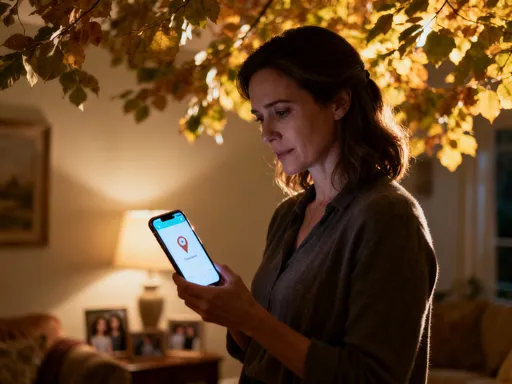
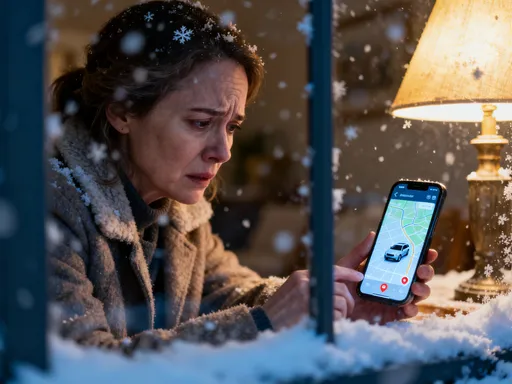
We’ve all been there — standing by the window, eyes on the clock, phone in hand, waiting for that little message that says, “I’m home.” Maybe it’s your high schooler coming back from a late soccer practice, or your sister driving through heavy rain to visit her elderly mom. The silence feels heavy, doesn’t it? That quiet phone isn’t just empty — it’s loud with worry. We tell ourselves, “They’re fine,” but our hearts don’t always listen. I remember one night when my niece was coming back from a college event, and her phone died. No calls. No texts. Just silence. My sister paced the kitchen for over an hour. She didn’t eat. She barely spoke. And when the door finally opened, the relief wasn’t just visible — it was palpable. That kind of stress doesn’t just pass. It lingers. It wears us down.
And it’s not just the big moments. It’s the everyday transitions — the shift from school to after-school job, from grocery shopping to picking up the kids, from home to a friend’s house. These in-between times are where anxiety lives. For parents, it’s natural to worry. For aging parents, it’s natural to want to protect. But when that worry turns into constant check-ins, it can start to feel like control, not care. And that’s when family conversations begin to sour. The “Did you get there yet?” texts pile up. The “I’m fine” replies get shorter. The silence grows heavier. We’re trying to connect, but we’re actually creating distance.
The emotional toll of this cycle is real. Studies show that chronic worry — especially about loved ones — can lead to higher stress levels, trouble sleeping, and even strained relationships. We’re not just tired from the waiting. We’re tired from the emotional labor of pretending we’re not worried while secretly refreshing our phones every few minutes. The good news? We don’t have to choose between staying informed and respecting boundaries. Technology, when used thoughtfully, can help us break this cycle. And it starts with a simple shift — from asking to knowing.
How Location Sharing Works — Without the Awkwardness
Now, I know what you might be thinking: “Wait — isn’t sharing your location kind of creepy? Like, are we turning our family into a real-time map?” I get it. The idea of someone tracking your every move sounds like something out of a spy movie. But here’s the thing — modern location sharing isn’t about surveillance. It’s about connection. It’s not about watching. It’s about knowing. And the best part? It’s temporary, consensual, and completely under your control.
Take Apple’s Find My app or Google’s Location Sharing — two tools most of us already have on our phones. These aren’t hidden tracking systems. They’re designed to be used with permission. You choose who sees your location. You choose how long they see it. You can share your location for one hour, until the end of the day, or just for a specific trip. Think of it like a digital check-in light — it’s on when you need it, off when you don’t. Your daughter can turn it on while she’s riding home from a late study group. Your brother can share his drive to the airport during a snowstorm. And when the trip’s over? The connection ends. No drama. No guilt. Just peace of mind.
The key is consent. This isn’t about installing something in secret or checking up on someone without their knowledge. That would be invasive — and frankly, it wouldn’t work. Real trust isn’t built on hidden tracking. It’s built on open conversations. So the first step isn’t technical — it’s emotional. It’s sitting down with your teen, your parent, your sibling, and saying, “I worry. Not because I don’t trust you, but because I love you. Would you be okay sharing your location during certain times, just so I know you’re safe?” That conversation changes everything. Suddenly, it’s not about control. It’s about care.
Solving the Daily Friction in Families
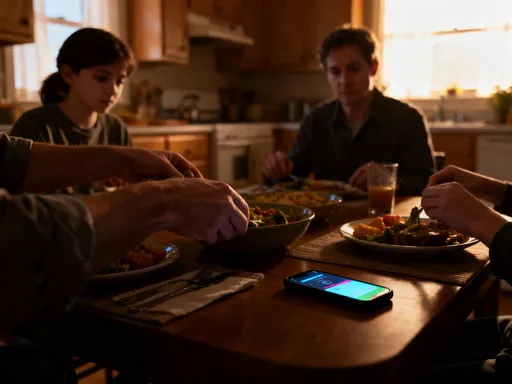
Let’s be honest — family life is full of little miscommunications that pile up into big frustrations. You plan dinner for 6 p.m., but your son texts at 5:45 saying he’s still at band practice. You drive to the school to pick up your daughter, only to find out she caught a ride with a friend. These moments aren’t life-or-death, but they wear on us. They make us feel out of sync. And over time, that constant guessing game turns into nagging, tension, and that familiar feeling of being taken for granted.
Location sharing doesn’t just help in emergencies — it smooths out the everyday chaos. Imagine this: your teenager shares their location during their after-school job. You see they’re still at work at 5:30, so instead of calling to ask when they’ll be home, you adjust your grocery shopping. You pick up something quick for dinner. No stress. No last-minute scramble. Or picture this: your aging mom is going to a doctor’s appointment across town. She shares her location with you for the trip. You see she’s running late, so you call the pharmacy to delay the prescription pickup. Small win? Maybe. But it’s one less thing to worry about — for both of you.
Real families are already using this to reduce friction. One mom in Ohio told me, “We used to fight about pickups. Now, I just glance at the app. If my kids are walking home together, I know I don’t need to drive. If they’re waiting at the bus stop, I can send a quick text: ‘I see you — be there in 10.’ It’s not surveillance. It’s support.” Another woman shared how she and her sister use location sharing when their dad goes on solo drives. “He has early-stage dementia,” she said. “We don’t follow him everywhere. But if he takes an unusual route or stops for a long time, we can check in gently. It’s not about controlling him. It’s about keeping him safe — and keeping our peace of mind.”
And here’s the surprising part: when the little stresses go down, the big emotions shift too. Families report less nagging, fewer arguments, and more trust. One dad said, “I used to text my daughter five times on her way home. Now, I see she’s safe, and I don’t need to. She says she feels more trusted. I feel less anxious. It’s a win-win.” That’s the real power of this technology — it doesn’t just save time. It saves emotional energy.
Building Trust, Not Surveillance
Of course, not everyone jumps at the idea of sharing their location. Some see it as a red flag — a sign that someone doesn’t trust them. I’ve heard teens say, “It feels like my parents think I’m going to lie or sneak around.” And honestly? That’s a valid concern. If location sharing is introduced as a tool for monitoring, it will feel like punishment. But if it’s introduced as a tool for care, it can feel like connection.
The difference is in the conversation. When my nephew went off to college, his mom wanted him to share his location. At first, he refused. “I’m not a kid,” he said. So instead of insisting, she asked, “What if we only use it when you’re traveling? Just so I know you made it to campus safely after a long drive?” That small boundary made all the difference. He agreed. And over time, he started using it more — not because he had to, but because he wanted to. “It’s kind of nice,” he admitted. “I know she’s not checking all the time. But when I’m on the road, it’s one less thing to text her about.”
That’s the shift we’re aiming for — from control to collaboration. Location sharing works best when it’s a mutual agreement, not a one-sided demand. Families who succeed at this often set clear rules together: “We’ll share during travel, but not during school hours.” “We’ll turn it off during dates or sleepovers.” “We respect each other’s privacy.” These aren’t technical settings — they’re emotional agreements. And when everyone has a say, trust grows.
Teens, in particular, often respond better than we expect. In a small survey of high schoolers, over 60% said they’d be willing to share their location with parents if it meant fewer check-in texts. One 17-year-old told me, “I get why my mom worries. But the constant texts drive me crazy. If she can just see that I’m at the library or at a friend’s house, she stops asking. It actually gives me more freedom.” That’s the irony — a tool that seems restrictive can actually create more independence. When parents feel assured, they relax. And when they relax, teens feel trusted. It’s a quiet cycle of growing up — together.
How This Quietly Changes Us
Here’s something I didn’t expect: when I stopped needing to ask “Where are you?” so often, I started showing up differently in my relationships. I was less anxious. More present. I listened more. Worried less. And I wasn’t the only one. So many women I’ve talked to say the same thing — once the constant checking stopped, they felt lighter. Freer. More like themselves.
For parents, this shift is profound. We spend so much of our energy managing logistics and monitoring safety that we forget to just be with our kids. But when the background noise of worry fades, we create space for real connection. One mom said, “Before, every text was about location. Now, my daughter texts me memes. We talk about her day. We laugh. It’s not just about safety anymore — it’s about closeness.” That’s the deeper gift of this technology — it doesn’t just tell us where someone is. It helps us be more emotionally available when they’re with us.
And it’s not just parents who change. Young adults report feeling more responsible — not because they’re being watched, but because they’re being trusted. When you know someone cares enough to check in — but also respects your boundaries — it fosters a sense of accountability. One college student said, “I don’t want to let my mom down. So if I say I’m at the library, I’m actually at the library. It’s not about fear of getting caught. It’s about honoring the trust.” That’s maturity. That’s growth.
Even our aging parents benefit. One woman shared how her 80-year-old father started using location sharing after a minor fall. “He didn’t want us hovering,” she said. “But he agreed to share his location when he goes out. Now, if he’s late, we don’t panic. We just call and say, ‘Hey, we see you’re still at the park — everything okay?’ It’s gentle. It’s respectful. And it lets him live his life.” That’s the balance we’re all seeking — safety without suffocation, care without control.
Getting Started — Simply and Safely
If this sounds good to you, you might be wondering: how do I actually start? The good news is, it’s easier than you think. Most smartphones already have built-in tools. On an iPhone, open the Find My app, tap “Share My Location,” and choose a contact. You can set it for one hour, until the end of the day, or indefinitely (though we recommend starting small). On Android, open Google Maps, tap your profile picture, go to Location Sharing, and pick how long you’d like to share. It’s that simple.
The real work isn’t technical — it’s emotional. Start with a conversation. Say something like, “I worry about you when you’re out late. Would you be open to sharing your location during certain times, just so I know you’re safe?” Let them ask questions. Listen to their concerns. Be willing to set limits — like only sharing during travel or after dark. And always respect the right to opt out. This only works if it feels voluntary, not forced.
Begin with one trip. Maybe your teen shares their ride home from a friend’s house. Afterward, talk about it. “Did it feel okay? Would you do it again?” Adjust as needed. Over time, you’ll find a rhythm that works for your family. And remember — you don’t have to share all the time. In fact, it’s better if you don’t. The goal isn’t constant tracking. It’s creating a safety net you both agree on — one that supports, not suffocates.
Privacy matters. Make sure you understand the settings. Know how to stop sharing. Know how to remove someone from your list. And never, ever use this tool to check up on someone without their knowledge. That’s not care — that’s control. And it breaks trust. Used with honesty and respect, location sharing can be a powerful tool for connection. Used poorly, it can damage relationships. The difference is in the intention.
A Calmer, Closer Family — One Tap Away
At the end of the day, we don’t want to track our loved ones. We want to feel close to them. We want to know they’re safe — not because we’re watching, but because we trust. And we want them to feel free — not because we’re ignoring them, but because we believe in them.
Location sharing, when used with care, isn’t cold technology. It’s warm connection. It’s the digital version of a hand squeeze — a quiet “I’m here” without needing to say a word. It reduces the noise of constant check-ins and replaces it with the calm of quiet knowing. It doesn’t eliminate love. It deepens it. It doesn’t replace conversation. It makes space for better ones.
Families who use this well aren’t just more informed. They’re more at ease. Parents worry less. Teens feel more trusted. Aging parents feel supported, not smothered. And all of them — every single one — feel a little more connected. Because sometimes, the smallest tech gesture — one tap to share, one glance to know — can create the biggest emotional shift.
You don’t need more texts. You don’t need more calls. You just need peace of mind. And that? That’s something worth sharing.