I thought I lost everything — How a simple backup habit saved my memories and peace of mind
We’ve all been there — staring at a blank screen after a dropped phone, heart sinking as photos, messages, and years of memories seem to vanish in an instant. I once lost nearly five years of family moments in one clumsy moment. But what felt like the end taught me something powerful: backup isn’t just tech maintenance — it’s emotional self-care. It’s not about being a gadget expert; it’s about protecting what matters most. And the best part? It takes less effort than checking social media. Let me show you how this small shift didn’t just save my data — it changed how I live, learn, and grow.
The Moment Everything Vanished
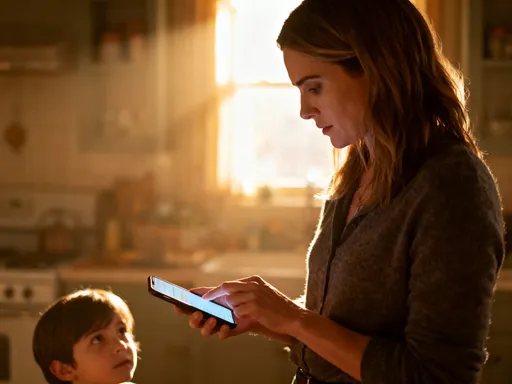
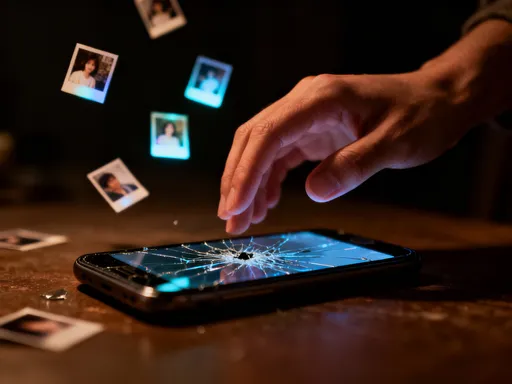
I remember exactly where I was when it happened — sitting on the couch, laughing with my daughter over a silly video she’d recorded at school. I was about to send it to my mom when my phone slipped from my hand and landed face-down on the hardwood floor. That crack was more than glass breaking — it was the sound of my heart dropping. The screen flickered, froze, then went black. I tried restarting it. Nothing. Panic set in. Not because I couldn’t text or check email — but because every photo of my kids’ first birthdays, every note from my grandmother before she passed, every milestone I’d ever saved was suddenly out of reach.
I kept telling myself, 'I’ll back it up later,' like that phrase had some magical power to protect my memories. But later never came. I wasn’t alone — I’ve heard so many women say the same thing. We’re busy. We’re juggling school pickups, dinner plans, work deadlines, and family check-ins. Backing up a phone? That feels like something for tech people, not for someone who just wants to capture a moment. But when I finally got the phone to a repair shop, the technician gave me the news I feared: the storage was damaged. Without a backup, the data was gone. Forever. I walked out with a repaired device and a hollow feeling in my chest. It wasn’t just photos I lost — it was proof that those moments had happened. That I had been present. That I had loved deeply and celebrated fully.
That night, I sat at the kitchen table with a cup of tea, scrolling through my old laptop, hoping to find something — anything — saved from years ago. I found a few holiday pictures, a birthday card scan, but most of it was missing. It hit me: we don’t realize how much of our lives live inside these little devices until they’re gone. And when they vanish, it’s not just data — it’s a part of us. That moment changed everything. I promised myself I’d never let it happen again. Not because I suddenly became a tech whiz, but because I realized something simple: protecting my memories isn’t optional — it’s an act of love.
Why We Keep Saying “I’ll Do It Later”
Let’s be honest — how many times have you said, 'I’ll do it later' about something small that actually matters? Backing up your phone is one of those things. It’s not exciting. No one posts about it on social media. There’s no instant reward. But here’s the truth: we delay digital care because it doesn’t feel urgent — until it’s too late. It’s like forgetting to lock the front door because you’re in a rush. Most days, nothing happens. But one day, everything changes.
I used to think, 'I’m careful. I won’t drop it.' Or, 'I don’t take that many photos anyway.' But life isn’t about being careful all the time — it’s about being prepared. And the reason we put it off isn’t laziness. It’s because we don’t see the cost until we’ve already paid it. We don’t feel the weight of losing a voice message from a loved one until it’s gone. We don’t realize how much we rely on our notes, our calendars, our saved recipes, until we can’t find them. Digital upkeep feels invisible because it works in the background — but so does a smoke detector. You don’t think about it until it saves your life.
There’s also this quiet guilt that creeps in. I’d see the notification: 'Your storage is almost full.' I’d ignore it. Then another: 'Back up your iPhone to iCloud.' I’d tap 'Later.' And each time, I felt a little worse. Not because I didn’t care — but because I cared too much. I was afraid that if I started, I’d realize how much I’d already lost. So I avoided it. Sound familiar? That’s not failure — that’s human. But the good news is, the fix isn’t complicated. It’s not about doing more. It’s about doing one small thing that does the work for you. And once you start, that guilt turns into relief. You stop asking, 'What if I lose it?' and start thinking, 'I’m safe.'
Your Phone Is More Than a Device — It’s Your Life
Think about what’s really stored in your phone. It’s not just apps and contacts. It’s your daughter’s first words, recorded on a shaky video. It’s the text your sister sent when you were going through a hard time: 'I’m here for you.' It’s the photo of your mom smiling at your wedding, the one you look at when you miss her. It’s your journal entries, your workout progress, the list of books you want to read, the recipe you finally got right after three tries. Your phone holds your growth — not just your past, but your becoming.
For so many of us, especially women in our 30s, 40s, and 50s, our phones are where we store not just memories, but our sense of self. We’re raising families, building careers, caring for aging parents, and still trying to grow as individuals. We take notes on personal goals, save affirmations, track our moods, plan our dreams. All of that lives in our devices. And when we lose it, we don’t just lose files — we lose proof that we’ve been moving forward. That we’ve been trying. That we’ve been living fully.
I used to think of backup as something technical, cold, robotic. But now I see it differently. Backing up is an act of self-respect. It’s saying, 'What I’ve lived through matters. What I’m working toward matters. My story matters.' It’s not about vanity or showing off — it’s about honoring the life you’ve built. And when you protect your data, you’re not just saving photos — you’re preserving your legacy. The one you’re creating for your kids, your family, and yourself. That’s why this isn’t just about technology. It’s about identity. It’s about peace. It’s about making sure that no clumsy moment can erase what you’ve worked so hard to keep.
The “Set It and Forget It” Backup That Actually Works
Here’s the best part: you don’t need to be a tech genius to back up your phone. In fact, the most effective method takes less than ten minutes to set up — and after that, you never have to think about it again. I call it the 'set it and forget it' system, and it’s changed everything for me. No more manual saving. No more stressing about storage. Just quiet, automatic protection that runs in the background while you live your life.
Most modern phones — whether iPhone or Android — have built-in backup features that work with cloud storage. That means your photos, messages, contacts, notes, and app data are safely copied to a secure online space. You don’t need to plug in cables or remember to click 'save.' Once it’s turned on, it happens automatically, usually when your phone is locked, charging, and connected to Wi-Fi. I set mine up during a coffee break one morning. I went to Settings, tapped on my name, selected iCloud, and turned on Photos, Notes, and Messages. I chose 'iCloud Backup' and flipped the switch. That was it. I didn’t have to do anything else. Now, every night while I sleep, my phone backs itself up. It’s like having a silent guardian for my memories.
And it’s not just for photos. Your calendar events, your reminders, your voice memos — they’re all protected. Even if you switch to a new phone, everything comes with you. I upgraded last year, and within an hour, my new phone felt like home. All my data was there. No scrambling, no panic. Just smooth transition. If you’re worried about storage space, most services offer free tiers — and if you need more, the small monthly fee is cheaper than a single therapy session for stress recovery. Think of it as emotional insurance. And the best part? You don’t have to be perfect. Even if you’ve never backed up before, starting today means tomorrow you’ll be safer. You don’t have to recover years of lost data — you just have to protect the moments from now on.
How Backup Became My Secret Growth Tool
Here’s something I didn’t expect: once I started backing up regularly, I started taking more risks — not with my phone, but with my life. I began experimenting with new apps for journaling, goal tracking, and learning new skills. I organized my photo library, deleted the blurry ones, created albums by year and event. I even started a digital gratitude journal. Why? Because I wasn’t afraid anymore. I knew that even if I messed up, my data was safe. That freedom changed everything.
Before, I avoided trying new things on my phone because I was scared of losing something important. I kept everything exactly as it was — cluttered, disorganized, but familiar. It was like keeping the same haircut for ten years just because you’re afraid a new one won’t suit you. But once I had a backup, I felt permission to grow. I could delete old files, try new systems, explore creativity without fear. That sense of safety spilled over into other areas of my life. I started taking online courses, joined a book club, even began writing again — things I’d put off because I was afraid of failing. But backup taught me a quiet lesson: when you protect your progress, you’re free to move forward.
It’s like having a safety net while learning to dance. You still might stumble, but you know you won’t fall far. That confidence is priceless. And for women who’ve spent years putting others first, that kind of emotional freedom is rare. We’re used to being the keepers of everyone else’s schedules, memories, and needs. But when we protect our own digital lives, we’re also saying, 'My growth matters too.' We’re creating space to evolve, to try, to fail, and to try again — without losing who we’ve become. That’s not just tech. That’s transformation.
Teaching My Family to Protect What Matters
One of the most meaningful things that came from my backup journey was sharing it with my family. I started with my mom. She’s in her 70s, lives alone, and her phone is her lifeline to us. She had never backed up — 'I don’t even know what that means,' she said. So one Sunday afternoon, over tea and cookies, I sat with her and walked her through it step by step. No pressure. No jargon. Just, 'Let’s make sure your photos of the grandkids are safe.'
It wasn’t just about tech — it was about care. As I helped her turn on iCloud, I saw her relax. 'So if my phone breaks, I won’t lose the video of my grandson’s first steps?' she asked. 'No, Mom,' I said. 'They’ll always be here.' That moment was more than a lesson — it was a gift. We ended up looking through her photos together, laughing, remembering. It turned into a ritual — now every few months, we do a 'digital check-in.' We talk, we back up, we connect.
I did the same with my sister and my teenage niece. I showed them how to set up automatic photo backup, how to save important documents, how to use family sharing so we could all protect each other’s memories. It became a new kind of family bonding — not around the dinner table, but around digital safety. And it made me realize: protecting memories isn’t a solo act — it’s an act of love we can share. We’re not just saving data. We’re passing down the tools to keep our stories alive. And in a world that moves so fast, that’s one of the most powerful things we can give each other.
Small Habit, Lifelong Peace
Looking back, I’m grateful for that broken phone. Not because I lost those memories — I still miss them — but because it woke me up. It taught me that peace of mind isn’t found in perfect technology. It’s found in small, consistent acts of care. Backing up my phone isn’t just a tech task — it’s a daily reminder that I matter. That my life matters. That the moments I’ve lived, the love I’ve given, the growth I’ve achieved — none of it should be left to chance.
And the most beautiful part? It takes almost no effort. Less than brushing your teeth. Less than making your morning coffee. But the return? A lifetime of security. A heart that doesn’t have to carry the weight of 'what if.' A mind that’s free to focus on living, not worrying. For women who do so much for everyone else, this is one thing you can do for yourself. No guilt. No pressure. Just quiet, steady protection.
So if you’ve been putting it off, I’m here to tell you: today is the day. Take ten minutes. Set up your backup. Let it run in the background while you go back to your life. And then, breathe. Because from this moment on, you’re no longer living in fear of loss. You’re living with confidence, with clarity, with peace. You’re not just saving data — you’re honoring your journey. And that? That’s worth every second.