It’s not just about tapping a phone: How digital payments quietly reshaped my daily rhythm
Have you ever noticed how small changes in the way we pay can shift everything? I didn’t think much of it when I first started using mobile payments—but over time, something subtle happened. My spending habits changed. My budgeting became effortless. Even family logistics, like splitting bills or giving my kids their allowance, felt smoother. It wasn’t just convenience; it was a quiet transformation of my daily life. And honestly? I didn’t see it coming.
The Moment I Realized Payments Were More Than Transactions
I remember the exact moment it clicked for me. I was at the grocery store, one of those rushed after-school pickups where dinner was hanging in the balance, and I tapped my phone to pay. No wallet, no fumbling for cards, no waiting for change. As I walked out, the receipt appeared in my banking app. Not emailed. Not printed. Just… there. And that’s when it hit me: I didn’t just pay—I left a digital footprint that actually helped me. No more crumpled receipts in my coat pocket or guessing how much I’d spent on snacks that week. This wasn’t just about swapping cash for a screen. It was about gaining clarity.
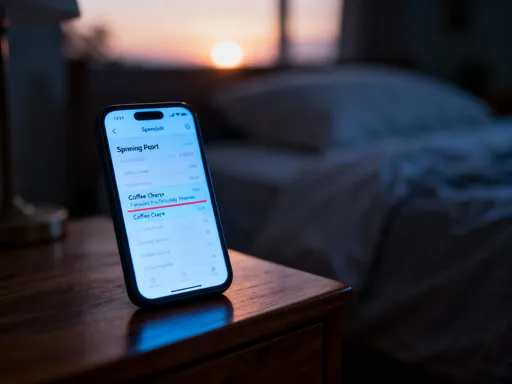
Before that, paying felt like a chore—something to get through so I could move on with my day. But slowly, I started noticing things. I saw that I always bought more fruit on Sundays, that my coffee runs spiked on Mondays, and that I tended to overspend when I was tired. These weren’t just transactions; they were patterns. And for the first time, I could actually see them. My phone wasn’t just holding my money—it was helping me understand it. That shift from blind spending to mindful awareness changed everything. I wasn’t tracking every penny anymore because I didn’t have to. The system did it for me, gently, without judgment.
What surprised me most was how emotional this felt. I started feeling more in control, not because I was doing more work, but because the technology was doing the quiet work behind the scenes. It reminded me of when I first used a slow cooker—such a small thing, but it freed up so much mental space. Digital payments became that kind of helper: not flashy, not demanding attention, but making my life flow better. And the best part? I didn’t even have to think about it.
How My Morning Routine Became Smoother—Without Trying
Let’s talk about mornings. If you’re a mom, you know they can feel like a relay race with no baton. Get the kids up, pack lunches, find the missing shoe, remember the permission slip, and somehow get yourself out the door looking like you’ve got it together. The last thing I needed was one more thing to manage. But a few years ago, my morning included a ritual that drained me before the day even started: digging through my bag for exact change.
I needed coins for the parking meter, bills for the school fundraiser jar, and a credit card just in case. And if I forgot one? That meant circling the block or apologizing at the coffee counter. It felt silly, but it added up—those little frustrations stacking like unpaid bills in my brain. Then one day, I set up mobile transit payments and linked my card to my favorite café’s app. I didn’t plan a revolution. I just wanted to save time. But what happened next was bigger than that.
Now, I walk into the coffee shop, order my usual, and tap my phone. Done. I take the bus with the same tap. Even parking is handled through an app that auto-charges my account. No coins. No forgotten wallet. No stress. And here’s the thing: it’s not just about the two minutes I save. It’s about the mental load that’s lifted. I’m not starting my day with tiny emergencies. I’m not wasting energy on logistics that used to feel like chores. That calm? It follows me. I speak more patiently to my kids. I remember to breathe. I feel more present.
My phone didn’t make me more efficient by making me do more. It made me calmer by making me do less. And that’s the real win. Technology at its best doesn’t ask us to adapt to it. It adapts to us, smoothing the edges of our days so we can move through them with less resistance. I didn’t set out to optimize my life, but by simplifying the small things, I gave myself room to just… be.
Raising Kids in a Cashless World—And What It Taught Me
When I was a kid, allowance came in crisp dollar bills or shiny coins, handed over on Saturday with a reminder to save some, spend some, and give some. I remember the weight of it in my palm, the excitement of choosing how to use it. When my own kids reached that age, I wanted to give them the same experience. So at first, I did the same thing—cash in an envelope, labeled with their names. But then came field trips, online book fairs, and last-minute supplies. Suddenly, I was rushing to the ATM or apologizing to the PTA because I forgot the $5 due today.
That’s when I started using digital transfers for allowances. I’ll admit, I was nervous. Would they understand the value of money if they never held it? Would spending feel too easy? But what happened surprised me. Instead of losing touch with money, my kids became more aware of it. Every time they spent, they got a notification. You just paid $3.99 at the school store. It wasn’t a lecture. It wasn’t me hovering. It was a quiet nudge that made them pause. One of my daughters started asking, “Can I wait until next week to buy this?” That never happened with cash.
We started having real conversations about money—when they saved for a video game, when they donated to a class fundraiser, even when they made a small mistake and overspent. The digital trail made it easy to look back and reflect. “Remember when you bought three drinks in one week? That was $12. What if you’d saved half of that?” These weren’t scoldings. They were teachable moments, made possible because the system gave us visibility.
I realized that teaching financial responsibility isn’t about the form money takes. It’s about awareness, choice, and reflection. And digital tools gave us all of that in a way cash never could. My kids aren’t disconnected from money—they’re more connected to it. And as a mom, that’s one less worry on my plate. I’m not policing their spending. I’m guiding it, gently, with tools that support us both.
Managing Family Expenses Without the Stress
Let’s be honest—money can be a touchy subject in relationships. Even in the healthiest partnerships, talking about who paid for what can turn into a quiet source of tension. I remember vacations where we’d come home exhausted, only to face another round of stress: sorting out expenses. “I paid for lunch yesterday, so you got dinner.” “But you bought the souvenirs.” “Wait, did we split the rental car?” It wasn’t about the money, really. It was about fairness. And without clear records, it felt like we were keeping score instead of enjoying our time together.
Then we started using a shared digital payment app. Not a budgeting guru. Not a financial advisor. Just a simple tool that lets us split costs with one tap. When we go out, the app remembers who paid and automatically calculates what the other owes. No receipts to save. No awkward conversations. Just a quick notification: Your turn to cover dinner. It sounds small, but it changed everything.
My partner and I no longer have to track every expense in real time. We don’t argue about fairness because the system keeps it balanced over time. We’re not micromanaging—we’re staying aligned. And that shift has protected something much more valuable than money: our peace. We used to spend energy on logistics. Now, we spend it on connection. We talk about our dreams, our plans, our kids—instead of who owes what.
Even at home, it helps. When one of us pays the internet bill or buys groceries for the week, it’s instantly logged. We can see a weekly summary, not to judge, but to understand. “Looks like we spent more on takeout this week—want to cook more together?” It’s not about control. It’s about collaboration. And that’s the beauty of it. The technology doesn’t replace trust. It supports it. It removes the friction so we can focus on what really matters—being a team.
From Chaos to Calm: Budgeting That Fits Real Life
I’ve tried every budgeting method out there. The envelope system? I loved the idea, but by week three, I was borrowing from “clothing” to cover “gas.” Spreadsheets? I’d spend more time updating them than living my life. I wanted to be responsible with money, but the systems felt rigid, punitive, like I was being graded on a report card I never asked for.
Then I discovered that my digital payment app automatically categorized my spending. No manual entry. No color-coding. Just a simple dashboard that showed me: $187 on groceries, $63 on gas, $112 on dining out. I didn’t have to “do” budgeting anymore. It was happening in the background, like a quiet assistant keeping tabs so I wouldn’t have to.
What changed wasn’t my income or my willpower. It was the feedback loop. When I saw that I’d spent $200 on coffee in a month, I didn’t feel shame. I felt awareness. And from there, I could make a choice. Maybe I’ll make more at home. Maybe I’ll switch to a cheaper shop. The power wasn’t in cutting back—it was in seeing clearly.
Now, budgeting isn’t a monthly chore. It’s a daily companion. I check in when I’m curious, not when I’m stressed. I celebrate when I stay on track. I adjust when life gets busy. And the best part? It adapts to me. If I have a big medical bill or a surprise gift, the system doesn’t break. It just reflects reality. I’m not fighting against a rigid plan. I’m living with intention, supported by tools that understand real life.
The Unexpected Gift: More Time for What Matters
When we think about technology, we often focus on speed—how fast it gets things done. But the real gift of digital payments isn’t speed. It’s space. Space in my schedule. Space in my mind. Space in my relationships.
I used to spend hours every month chasing receipts, filling out expense reports for my side gig, or reconciling my bank statement. Now, those hours are mine. I’ve given them to things that matter more. I read bedtime stories without checking my phone. I take evening walks with my husband, just talking. I sit with my tea in the morning and actually enjoy it, instead of rushing to the next task.
And with my kids? I’m more present. I’m not distracted by logistics. I’m not mentally calculating how much we’ve spent at the museum gift shop. I’m just there, enjoying the moment. That presence is something I can’t buy, but digital tools helped me reclaim it.
It’s funny—no one advertises digital payments as a self-care tool. But in a way, that’s what it’s become for me. By removing the tiny burdens of daily life, it gave me back time. And time is the one thing we can’t earn more of. I didn’t set out to simplify my finances. I just wanted an easier way to pay. But what I got was a calmer mind, a lighter heart, and more room to breathe.
A Life That Flows—Because the Little Things Work
When I look back at how much my days have changed, I realize it wasn’t one big shift. It was a thousand small ones. The tap that pays for coffee. The notification that reminds me of a bill. The split that keeps peace on vacation. These aren’t dramatic moments. They’re quiet victories.
And together, they’ve created a rhythm I didn’t know I needed. My days don’t feel rushed. My mind doesn’t feel cluttered. My relationships don’t carry the weight of forgotten expenses or silent resentments. Instead, there’s a flow—a sense that things are working, even when I’m not actively managing them.
This isn’t about loving technology. It’s about loving my life. And the tools that support it. Digital payments didn’t change who I am. They helped me become more of who I already am—a mom, a partner, a woman who wants to live with purpose and peace. They didn’t add complexity. They removed it.
I used to think convenience was the goal. Now I know it’s just the beginning. The real benefit isn’t saving time—it’s gaining presence. It’s not about spending less money—it’s about spending more time on what matters. And it’s not about the tap on the phone. It’s about what that tap frees me to do.
So if you’re still holding onto cash “because it feels real,” I get it. But I also wonder—what could you gain by letting go? Not just of bills and coins, but of the weight they carry? Because once you feel how light life can be when the little things work, you might not want to go back. And honestly? You don’t have to.