From paranoid to protected: The AR app that finally earned my trust
You know that uneasy feeling when you download a fun new app, but then pause at the permissions screen—why does a game need access to my contacts? I felt the same way when I first tried augmented reality apps. They’re dazzling, playful, even magical. But after using them daily for over a year, what surprised me most wasn’t the tech—it was learning to trust it. This is the real story of living with AR not as a gadget lover, but as someone who just wants life to be easier, safer, and more joyful—without sacrificing peace of mind.
The First Spark: How I Started Using AR Apps Without Thinking Twice
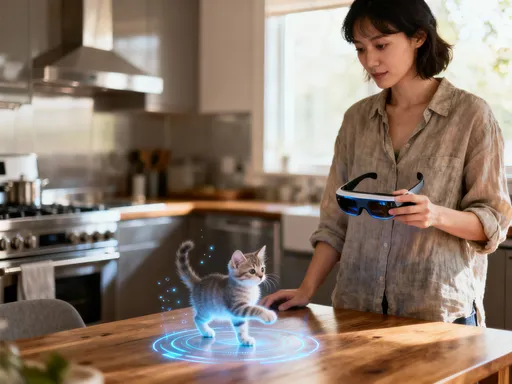
I remember the first time I downloaded an AR app. It was a rainy Saturday afternoon, and my youngest had been begging me to try this 'virtual kitten' app she saw on a friend’s phone. She held up her tablet, eyes wide, showing me a tiny animated cat prancing across the kitchen counter as if it were real. I laughed—how could I not? It was charming, whimsical, the kind of thing that makes you forget about laundry and dinner for a moment. So I downloaded it too.
Within seconds, the app asked for access to my camera, microphone, and location. I hesitated, but only for a second. It’s just a silly game, I told myself. How much harm could it do? I tapped “Allow” and joined my daughter in giggling at the digital kitten chasing an invisible mouse across our dining table. For a few weeks, it was pure fun—something light in a busy life.
But then, something shifted. I was at the park with a friend, casually mentioning how I needed new hiking boots because mine were falling apart. Two days later, an ad for premium hiking gear popped up—on my social media feed, on a news site, even in my email promotions. That same week, I talked about needing a birthday gift for my sister near my phone, and suddenly, jewelry websites started showing up in my search suggestions. Coincidence? Maybe. But the pattern felt too consistent to ignore.
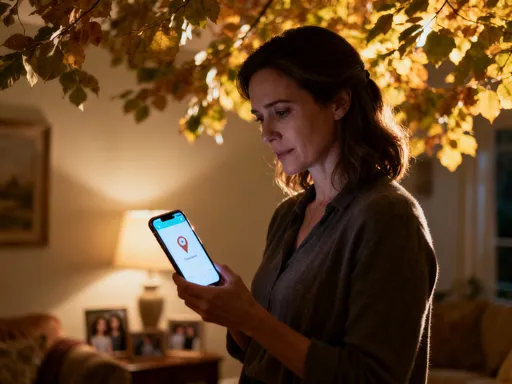
I began to wonder: Is this app listening? Not just using my camera, but hearing me? Tracking where I go? Building a profile of my life? I wasn’t paranoid—I was paying attention. And what I found when I started digging into app permissions and privacy policies made me realize something important: just because something feels harmless doesn’t mean it is. That little kitten game? It was collecting far more than it needed. And I wasn’t alone. Millions of people click “Allow” every day without knowing what they’re really agreeing to.
The Privacy Panic: When Fun Started Feeling Like Surveillance
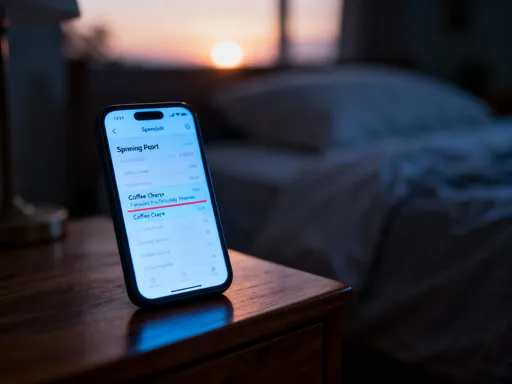
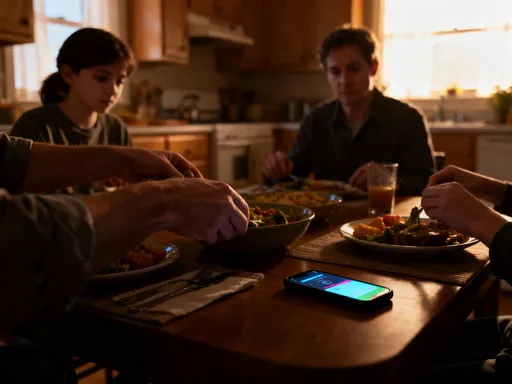
The more I noticed those targeted ads, the more uneasy I became. What started as lighthearted fun began to feel invasive. I’d catch myself whispering in another room when talking about personal things, just in case my phone was “listening.” I’d leave it face down during conversations. I even started turning it off at night—not for battery, but for peace of mind. That’s when I realized: this wasn’t just about one app. It was about how much of my life I was handing over without even realizing it.
I decided to take a closer look. I went into my phone’s settings and pulled up the list of apps with microphone access. Dozens were there—games, flashlights, weather apps, even a barcode scanner. Why does a flashlight need to hear me? I thought. I checked location permissions next. Same story. Many apps had access to my movements all day, every day, even when I wasn’t using them. And the privacy policies? Most were long, full of legal jargon, and buried in menus. Who has time to read that?
But I did. I spent a Sunday afternoon with a cup of tea, scrolling through permissions and app descriptions. What I discovered was unsettling. Many AR apps—especially free ones—rely on data collection to make money. They track not just how you use the app, but what you say near your device, where you go, and even how long you look at certain things. Some share that data with third-party advertisers. Others store it indefinitely. And once it’s out there, you can’t get it back.
I deleted four apps that week. One of them was the kitten game. It hurt—my daughter cried—but I explained why. I told her, “Mom wants to keep our family safe, even online.” That conversation was hard, but important. It made me realize that being a responsible user isn’t just about protecting myself—it’s about modeling good habits for my kids. We talk about stranger danger in the real world. Why not in the digital one?
A Turning Point: Finding the One AR App That Played Fair
After that experience, I wasn’t sure I’d ever trust another AR app again. But then my sister sent me a link to one she’d been using to plan her living room makeover. “It’s different,” she said. “It doesn’t ask for everything. And it actually helps.” Skeptical but curious, I downloaded it.
From the first launch, it felt different. Instead of demanding access upfront, it explained each permission clearly. “We need camera access to place furniture in your space,” it said. “Location helps us show items available near you. You can turn either off anytime.” No vague language. No pressure. Just honesty. And when I turned off location, the app still worked—just with online inventory instead of local stores. That small detail told me everything: this app respected my choices.
I tested it over weeks. I used it to visualize a new bookshelf, a coffee table, even curtains. Every time, the 3D model lined up perfectly with my room. No glitches, no weird ads following me afterward. I checked my privacy settings regularly—no hidden access creeping back in. I even reached out to the company’s support team with a question about data storage. Their response? Clear, kind, and reassuring: “We don’t sell your data. We don’t record your home layout. Your space stays yours.”
That’s when I started to trust again. Not blindly—but thoughtfully. This app didn’t dazzle me with fireworks or dancing cats. It solved real problems. It saved me from buying furniture that wouldn’t fit. It helped me see how a gray sofa would look with my existing decor. And it did all that without making me feel watched. For the first time, I saw AR not as a risk, but as a reliable helper—one that put my comfort first.
Living With AR: How It Quietly Improved My Daily Life
Once I felt safe, I began to explore more ways AR could help. And honestly? It’s changed small but meaningful parts of my routine. Take grocery shopping. I used to stand in the aisle, squinting at nutrition labels, trying to compare sugar content or allergens. Now, I use an AR app that scans a product and instantly highlights key info—like “high in sodium” or “contains nuts”—right on my screen. It’s been a game-changer for my son, who has a peanut allergy. No more guessing. No more stress.
Then there’s homework. My daughter struggled with understanding the solar system—how the planets orbit, why we have seasons. One evening, I pulled up a simple AR science app. We pointed the tablet at the floor, and suddenly, a glowing model of the solar system floated in our living room. She could walk around it, zoom in on Jupiter, even see Earth tilt as it moved. “Mom, it makes sense now!” she said. That moment wasn’t just about learning—it was about connection. We spent an hour exploring space together, laughing, asking questions. Technology didn’t replace us. It brought us closer.
Even home repairs have gotten easier. Last month, I had to assemble a new air purifier. The instructions were confusing—tiny diagrams, no real context. But the brand offered an AR guide. I opened the app, pointed my phone at the parts, and step-by-step 3D animations showed me exactly how to connect each piece. It was like having a patient expert standing beside me. No frustration. No wrong turns. Just clarity.
These moments don’t make headlines. They’re not viral. But they matter. AR isn’t about replacing real life—it’s about supporting it. It’s the quiet help that lets me be a better mom, a more confident shopper, a calmer problem-solver. And the best part? It doesn’t demand anything in return. No data overreach. No hidden costs. Just usefulness, delivered with respect.
What I Learned About Data Protection—And What You Can Do Too
My journey didn’t come with a manual. I made mistakes. I clicked “Allow” too fast. I ignored warnings. But over time, I learned simple habits that made a real difference. And the good news? You don’t need to be a tech expert to protect yourself. A few small actions go a long way.
First, I started reviewing app permissions monthly. It takes less than ten minutes. Go to your phone settings, check which apps have access to your microphone, camera, location, and contacts. Turn off anything that doesn’t make sense. Does your recipe app need your location? Probably not. Does your meditation app need your contacts? Definitely not. You’d be surprised how many apps collect data they don’t need.
Second, I began reading privacy policies—not every word, but the summaries. Many apps now offer “privacy nutrition labels” that show what data they collect and why. Look for apps that say “no third-party sharing” or “data not sold.” Those are green flags. If an app won’t explain its practices clearly, that’s a red flag.
Third, I switched to privacy-focused alternatives when I could. For example, instead of a free AR game that tracks everything, I found a paid version that does the same thing—no ads, no data collection. Yes, it cost a few dollars. But I’d rather pay money than pay with my privacy.
And finally, I taught my kids. We have a “phone talk” every few weeks—just like we used to have “stranger danger” talks. We discuss which apps are safe, how to spot sketchy requests, and why we don’t share everything online. It’s not about fear. It’s about empowerment. They know they can come to me with questions. And that, more than anything, gives me peace.
Why Trust Matters More Than Features in Today’s Tech
We’re drawn to the shiny, the new, the exciting. A flashy AR filter that turns you into a unicorn? Sure, it’s fun. But will you still be using it in six months? Probably not. What lasts isn’t the spectacle—it’s the trust.
I’ve tried apps that do incredible things—real-time language translation through your camera, virtual try-ons for glasses, even AR cooking guides that show you how to chop an onion step by step. But if they make me uneasy, I stop using them. No matter how cool the feature, if I don’t feel safe, it’s not worth it.
The app I still use every week isn’t the most advanced. It doesn’t have the prettiest graphics or the most features. But it’s honest. It does what it says. It respects my boundaries. And because of that, it’s become part of my life in a way others never did.
Trust isn’t built in a day. It’s earned through consistency, transparency, and respect. And in a world where so much feels out of our control, that kind of reliability is priceless. I’ve learned that the best technology isn’t the one that wows me—it’s the one that lets me breathe easier, knowing I’m not being watched, tracked, or sold.
A Smarter, Calmer Relationship With Technology—One App at a Time
Looking back, my AR journey was never really about augmented reality. It was about learning to be more mindful in a digital world. It was about asking better questions before I click “Download.” It was about understanding that convenience shouldn’t come at the cost of my peace.
I still use technology—of course I do. It helps me stay connected, get things done, and even have fun. But now, I choose differently. I look beyond the sparkle. I check the fine print. I ask, “Does this make my life easier without costing me something I value more?”
And when I find an app that answers “yes” without making me nervous—that feels helpful, not hungry for data—I hold onto it. That’s what I’ve found with this AR app. It doesn’t demand attention. It doesn’t follow me with ads. It just helps—quietly, reliably, respectfully.
I hope my story encourages you to take a closer look at the apps in your life. Not to fear technology, but to use it with intention. You don’t have to be an expert. You just have to care. And sometimes, caring means deleting an app, saying no to a permission, or having a real talk with your kids.
Because in the end, technology should serve us—not the other way around. When we choose wisely, we don’t just protect our data. We protect our time, our attention, our family’s well-being. And that’s the most powerful upgrade of all.