From Worry to Peace: How Car Tracking Keeps My Family Safe All Year Round
Keeping your family safe on the road shouldn’t mean stress, guessing games, or constant check-in texts. I used to lie awake wondering if my teen had taken a risky detour or if my parents made it home safely after winter drives. Then I discovered how simple vehicle tracking tools quietly transformed our lives—not just in emergencies, but through every season. It’s not about surveillance; it’s about peace of mind, shared care, and staying connected in the most practical way. What started as a nervous experiment has become a quiet rhythm in our home, like setting the coffee maker each morning—small, consistent, and deeply reassuring.
The Seasonal Stress No One Talks About
Let’s be honest—driving looks different in July than it does in January, and so do our worries. I remember last spring, when a sudden storm rolled through the Midwest. My sister was driving back from a weekend trip, and the weather reports showed flash flooding near her route. My phone had no updates, her calls went to voicemail, and for nearly two hours, I sat with my stomach in knots. Was she pulled over? Was she safe? That kind of uncertainty doesn’t just pass—it lingers, coloring your whole day. And it’s not just storms. Summer means road trips with tired drivers and unfamiliar roads. Fall brings foggy mornings and kids heading off to college with their first car. Winter? That’s its own level of stress: icy roads, shorter days, and older relatives who don’t always admit when conditions are too dangerous.
What surprised me most was how much this anxiety affected our family conversations. I found myself asking, “Did you leave yet?” or “Are you driving in this?” more like a nag than a mom. My husband started doing the same with his parents. It wasn’t that we didn’t trust them—we did. But not knowing where they were, especially in bad weather or at night, made us all feel helpless. I realized the problem wasn’t the driving itself; it was the silence between check-ins. That gap, where imagination runs wild, is where stress grows. And it wasn’t just me. A friend told me she once drove 45 minutes out of her way to “accidentally” pass by her daughter’s campus just to make sure her car was parked safely. We were all doing something, anything, to close that gap.
Then I started hearing about car tracking—not the kind used in movies for spying, but the simple, everyday kind that lets you see where a vehicle is in real time. At first, I thought it sounded a little over the top. Was I really ready to track my family’s movements? But the more I thought about it, the more I saw it not as control, but as care. Like keeping a spare key under the mat or saving emergency contacts—small things that mean a lot when you need them. I didn’t want to invade anyone’s privacy. I just wanted to stop wondering if they were safe. And that’s when I decided to give it a try—not as a parent watching over kids, but as a daughter, a sister, a wife who cares deeply and wants to show up quietly, without drama.
A Simple Tech That Feels Like a Lifeline
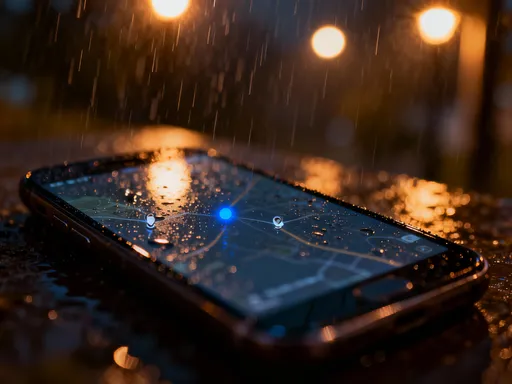
I’ll admit, I’m not a tech expert. I still need my daughter to reset the router when it acts up. So when I started looking into car tracking, I was nervous about complicated setups, monthly fees, and apps that needed constant updating. But what I found surprised me—how simple and user-friendly these tools have become. Most modern cars now come with built-in connected services, and if yours doesn’t, a small plug-in device that goes into the OBD-II port (that’s the little socket under the steering wheel) can do the job. It connects to GPS and sends location data to an app on your phone. That’s it. No wires, no flashing lights, no complicated codes. It’s like having a tiny co-pilot who checks in without saying a word.
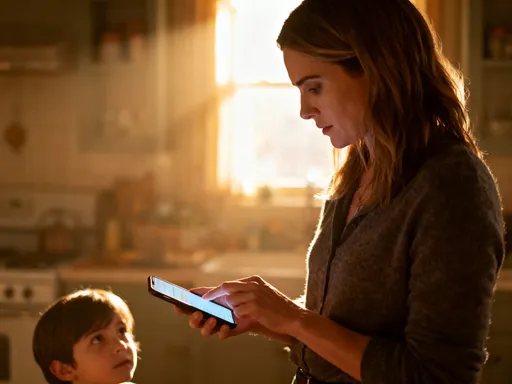
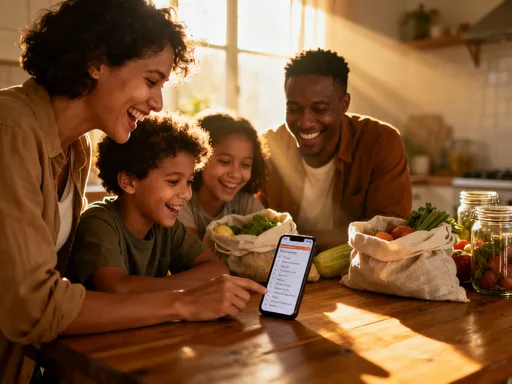
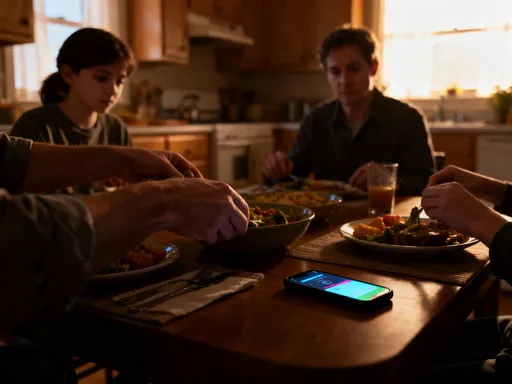
When my daughter got her first car, I brought it up gently. I said, “I’m not asking because I don’t trust you. I’m asking because I care, and I want to know you’re safe—especially at night or in bad weather.” We looked at a few apps together, and she actually liked the idea of having her location shared with me. “If I ever get stuck,” she said, “you’ll know right away.” That moment changed everything. It wasn’t me imposing a rule; it was us making a plan together. We chose an app that both of us could access, set up automatic check-ins, and even added a feature that sends an alert if the car stops moving for too long on a trip. It felt less like monitoring and more like teamwork.
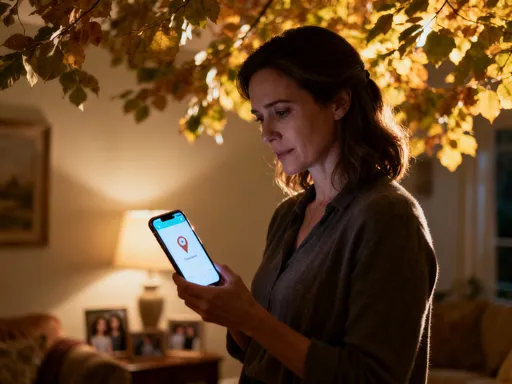
And here’s the thing—it’s not just for young drivers. My husband uses it for his commute, especially when he works late. If I’m in bed and hear the garage door open, I can quickly glance at my phone to confirm it’s him, not some glitch in the system. My parents started using a simple tracker after a minor fender bender last winter. They didn’t want us hovering, but they agreed it would help us know when to expect them and when to call for help if something went wrong. The beauty of it is that it works quietly in the background. No need to text “Where are you?” every ten minutes. No awkward phone calls when someone’s driving. Just a quick look at a map, and the worry lifts.
Summer Adventures, Without the Anxiety
Summer is supposed to be about freedom—windows down, music up, no schedule. But let’s be real: road trips come with their own kind of stress. Detours happen. GPS misleads. Phones die. And when your husband is three hours into a cross-state drive with your dog in the backseat, and you haven’t heard from him in over an hour, that carefree feeling can vanish fast. That’s exactly what happened last July. My husband was driving to a family reunion, and due to a wrong turn, he ended up on a rural road with no cell service. I didn’t panic—because I could still see his car moving on the map. He wasn’t lost. He wasn’t in danger. He was just off-route, and the tracker showed he was making steady progress. That small bit of information made all the difference. I didn’t have to call, interrupt his drive, or imagine the worst. I just waited, calmly, until he reconnected.
We’ve since learned to use the tracker’s features to make trips smoother. One of my favorites? Geofencing. It’s a simple setting that sends an alert when the car enters or leaves a specific area—like a rest stop, a campground, or a friend’s house. Before our last beach trip, I set a geofence around the state park where we were staying. When my son’s car crossed the boundary, I got a ping: “Arrived safely.” No text needed. No call required. Just peace of mind. We also started sharing live routes during long drives. Instead of constant “Where are you?” messages, family members can open the app and see the car moving in real time. It’s like a digital wave—quiet, reassuring, and respectful of everyone’s space.
And let’s talk about phone batteries. How many times has your teen called from the side of the road because their phone died? With a car tracker, the device runs on the car’s power, so it never runs out of battery. Even if their phone is dead, the car’s location is still visible. That alone has saved us more than once. Last summer, my nephew borrowed my sister’s car for a concert. He forgot to charge his phone, and after the show, he couldn’t find the parking lot. But because the car had a tracker, his mom could see exactly where it was parked and text him the section number. No stress, no tears—just a quick reunion. It’s moments like these that make the tech feel less like a gadget and more like a part of our family’s rhythm.
Winter Driving: When Safety Becomes Critical
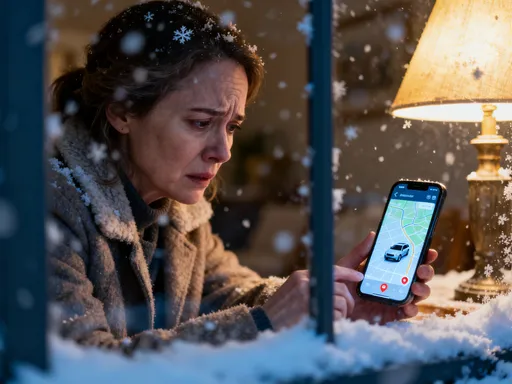
Winter is when I feel the most protective. Snow, ice, wind—driving in bad weather is no joke. I remember one blizzard last December when my parents refused to cancel their holiday visit. “We’ve driven in worse,” my dad said. But I still worried. They’re in their seventies, and while they’re careful drivers, conditions were dangerous. Roads were closed, visibility was near zero, and I had no way of knowing if they’d turned back or gotten stuck. Then I remembered—their car had a tracker. I opened the app and saw their car moving slowly but steadily along a cleared highway. They were going under 30 mph, but they were making progress. That simple update calmed me more than any phone call could have. I didn’t need to call and distract them. I just watched, reassured, until the app showed they’d arrived safely.
Winter tracking isn’t about second-guessing loved ones—it’s about knowing when to act. If the car stops moving for an unusual amount of time, or if it veers off the planned route, that’s when you know to call. One friend used her tracker to alert emergency services when her husband’s car stopped on a remote road during a snowstorm. He’d skidded off the shoulder but was unharmed. Because she could share his exact location, help arrived quickly. Another mom I know checks her son’s tracker every morning during icy weeks. If he’s running late, she can see whether he’s still at home or already on the road. That way, she knows if he’s sleeping in or stuck in traffic. It’s not overbearing—it’s practical.
We’ve also started using the tracker to plan winter pickups. If my daughter has practice late in the afternoon, I can check the app to see when I should leave to meet her—no guessing, no circling the lot. And if a storm hits while someone’s out, I can monitor their progress and decide whether to go meet them or just wait. It’s not about controlling the situation; it’s about being prepared. The tracker doesn’t drive the car, but it helps the people who love the driver stay informed, calm, and ready to help if needed. In winter, when every minute counts, that kind of clarity is priceless.
Back-to-School Season: Letting Go, But Staying Close
Sending your child off to college with a car is a milestone full of mixed feelings. Pride. Excitement. And, if you’re honest, a healthy dose of fear. My son got his car the summer before freshman year, and while I wanted him to feel independent, I also wanted to know he’d be safe. Late-night study sessions, weekend trips, driving in unfamiliar cities—there were so many new variables. I didn’t want to be that parent who calls every hour, but I also didn’t want to be the one who didn’t know he was okay.
That’s when we agreed on a simple rule: the car would have a tracker, but he’d have full access to it too. He could see when it was active, and he could turn off sharing when he needed privacy—like during dates or with friends. We set up alerts for curfew times, just so I’d know if he was home late. Not to punish, but to check in. One night, he forgot to charge his phone before a study group, and I couldn’t reach him. But the car tracker showed he was parked at the library. I waited, relaxed, until the app showed the car moving home. No panic. No emergency texts. Just knowing he was okay.
We also used the tracker to help him build responsibility. When he started driving more, we reviewed trip history together—not to spy, but to talk about safe habits. “I noticed you took the highway a lot this week—how was the traffic?” or “You were at the mechanic Tuesday—is everything okay with the car?” It opened conversations we might not have had otherwise. And when he forgot to check the oil or missed a tire rotation, the app’s maintenance alerts reminded him before it became a problem. It wasn’t about control. It was about support. He’s almost twenty now, and the tracker is still there—not because I don’t trust him, but because I love him. And love sometimes means having a quiet way to say, “I’m here, even when I’m not with you.”
How We Made It a Family Habit, Not a Surveillance Tool
The biggest lesson I’ve learned? Tracking works best when it’s mutual. At first, it felt a little one-sided—me checking on everyone else. But then I realized: why shouldn’t they be able to see my location too? So I turned it around. I shared my car’s location with my teens. Now, when they’re waiting for a ride after soccer practice, they can check the app instead of texting “Where are you?” When we’re meeting at the mall, we use it to find each other in crowded parking lots. It’s not about watching each other—it’s about making life easier.
We’ve also made it a habit to talk about it. No secrets. No surprises. If someone doesn’t want to share their location for a few hours, that’s fine—we respect that. But we also talk about why. It’s opened up honest conversations about trust, boundaries, and care. My daughter once said, “I like that you can see where I am. It makes me feel protected, not watched.” That meant more than any tech feature ever could. We’ve even used it for everyday wins—like avoiding late fees at parking garages by checking when someone’s on their way, or syncing pickups so no one waits too long in the rain.
The key is transparency. This isn’t about catching someone or proving a point. It’s about creating a shared sense of safety. We don’t use it 24/7, and we don’t track every move. But knowing it’s there—like a seatbelt or a spare tire—makes us all feel more secure. It’s become part of how we care for each other, not because we have to, but because we want to. And that’s made all the difference.
Peace of Mind That Moves With You
Looking back, I realize how much of my energy used to go into worrying about the people I love when they were on the road. Seasons changed, but my anxiety didn’t. Now, it does. Spring hikes, fall errands, winter visits, summer trips—each one feels lighter because I have a quiet way to stay connected. I’m not glued to my phone, and I’m not calling every hour. But I do have the comfort of knowing I can check in, just once, and let go again.
This isn’t about perfect safety or eliminating all risk. Driving will always have uncertainties. But car tracking has given us something invaluable: the space to breathe. The freedom to trust. The ability to love without fear. It’s not a magic fix, but it’s a meaningful step toward living with more peace and less worry. And for a mom, a daughter, a wife—someone who cares deeply—that’s everything. Technology doesn’t replace presence, but sometimes, it can help us feel present in new ways. And that, to me, is what modern care looks like—not loud, not controlling, but steady, quiet, and always there.