From Isolated to Intimately Connected: How Personalized Video Calls Bring Families Closer
In a world where busy schedules pull families in different directions, staying truly close can feel like a struggle. You wave hello through a screen, but something’s missing—the warmth, the inside jokes, the feeling of *being together*. What if your video calls could do more than just show faces? What if they could feel like home, even when everyone’s miles apart? That quiet moment when your mom laughs at your daughter’s silly dance, or your dad remembers the story behind an old photo—those are the connections we’re really chasing. And now, with personalized video calling, that sense of closeness isn’t just possible. It’s becoming real.
The Distance That’s More Than Physical
Let’s be honest—distance isn’t just measured in miles. It’s in the moments that slip through the cracks. The first time your nephew said ‘hello’ to the family dog over a blurry call. The birthday dinner your sister missed because she was overseas for work. The way your teenage son barely looks up from his phone during your Sunday check-in. These aren’t just logistical challenges. They’re emotional ones. We’ve all had video calls that left us feeling more disconnected than before. You see the faces, you hear the voices, but the energy isn’t there. It’s like shouting across a canyon and hoping someone hears you.
I remember when my cousin’s daughter took her first steps during a family call. We were all watching through a frozen screen, and by the time the video caught up, she was already crawling away. Everyone clapped, but it felt hollow. We missed it. Not the milestone itself, but the shared breath, the gasp, the way we would’ve all turned to each other in the same room. That’s the gap we’re trying to close—not just seeing, but *experiencing* together. And for so long, technology only solved half the problem. It brought us faces, but not presence.
Especially for families with older relatives, the distance feels even wider. My mom used to say, ‘I see your life in snapshots, not the whole story.’ She’d see a photo of my kitchen renovation, but not the chaos of paint splatters and coffee spills that made it real. She’d hear about my daughter’s school play, but not the nervous excitement in her voice before stepping on stage. That’s the intangible stuff—context, emotion, continuity—that standard video calls often fail to capture. And over time, that adds up to a quiet kind of loneliness, even when you’re technically ‘connected.’
When Video Calls Feel Like Duties, Not Joy
How many times have you scheduled a family call and immediately felt a little dread? Not because you don’t love them, but because you know how it usually goes: ‘How’s work?’ ‘Good. You?’ ‘Good.’ A few forced laughs. Someone’s audio cuts out. A kid runs through the background yelling. Then, ‘Well, we should probably go…’ And just like that, it’s over. No real depth. No lingering warmth. Just another box checked.
That’s the problem with treating video calls like chores. They become performance, not presence. You’re not sharing a moment—you’re reporting on your life, like a quick status update. And when that’s the norm, people start opting out. Teens tune out. Grandparents feel like they’re interrupting. Siblings fall into small talk loops. The very tool meant to bring us together starts to feel like a reminder of how far apart we really are.
Part of the issue is timing. Life doesn’t run on Zoom schedules. My sister in Seattle tries to call at 7 PM her time, which is 10 PM for my mom in Florida. By then, Mom’s tired, and the conversation feels rushed. Or my nephew in Germany wants to show us his new puppy, but half the family is at work or school. We miss the spontaneity—the surprise birthday call, the ‘you have to see this!’ moment. Without flexibility and personal rhythm, even the best tech falls flat.
And let’s talk about engagement. Most video platforms treat every call the same. Whether it’s a business meeting or a family reunion, the interface looks identical. No wonder it feels sterile. Where’s the joy? Where’s the personality? When the experience doesn’t reflect your family’s unique energy, it’s hard to feel truly ‘there.’ It’s like celebrating Christmas in a conference room—technically possible, but missing the soul.
The Power of Personalization in Digital Connection
What if your video call knew you? Not just your name, but your habits, your inside jokes, your favorite moments? That’s where personalization changes everything. It’s not about flashy features—it’s about making the digital space feel like *your* space. Imagine logging in and seeing a background of your family’s last beach trip. Or hearing your mom’s favorite song play softly when the call connects. These small touches don’t just make the call prettier—they make it feel more real.
Personalization turns video calls from transactional to relational. Instead of a generic grid of faces, you see a shared world. Some platforms now let you create a ‘family hub’—a digital living room where photos, videos, and voice messages live between calls. You can pin a recording of your grandma singing her famous lullaby, or save a clip of your dad telling the same fishing story every holiday. Over time, it becomes a living scrapbook, not just a chat window.
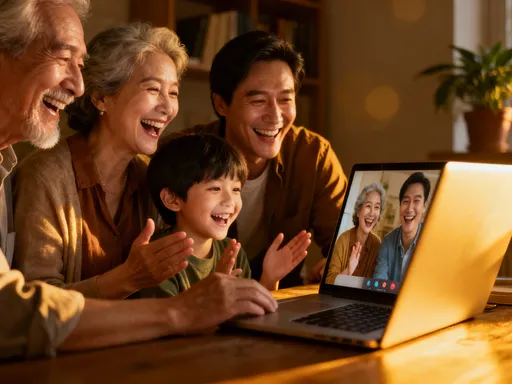
And it’s not just about nostalgia. Personalization helps you stay in the flow of each other’s lives. One family I know set up a ‘kitchen cam’ that goes live every Sunday morning during breakfast. No one’s on a formal call—they’re just sharing the quiet hum of home. The kids wave while eating cereal. Grandma puts on her favorite apron. It’s not structured, but it’s intimate. They’re not ‘having a call’—they’re just *being together*, digitally.
The magic is in the details. A platform that remembers your sister likes subtitles during calls because she’s hard of hearing. One that suggests playing a shared playlist when your nephew joins, because he always requests the same song. These aren’t gimmicks—they’re care in digital form. And when technology starts to reflect how your family actually lives, the screen stops feeling like a barrier and starts feeling like a doorway.
How Personalized Video Tools Actually Work (Without the Tech Jargon)
You don’t need to be tech-savvy to use these tools. In fact, the best ones are designed for people who just want to connect, not troubleshoot. Let’s break it down simply. Many modern video apps now offer ‘family profiles’—think of them like digital photo albums that come to life during calls. You can upload pictures, record short voice clips, or save favorite moments. When someone joins the call, the app can automatically show a welcome message—like ‘Hi, Grandpa! Lily drew you a picture this week!’
Some platforms let you create custom ‘call themes.’ For example, every holiday, your family could have a festive background that pops up automatically—snowflakes for Christmas, pumpkins for Halloween. You can even add sound effects. Imagine your mom’s birthday call starting with her favorite song and a digital cake. It’s not complicated. Usually, it’s just a few taps to set up, and then it runs on its own.
Another feature is the ‘highlight reel’—a short video montage that plays in the background as people join. You can include clips from recent family events, pet antics, or milestone moments. It’s like walking into a room where everyone’s already chatting and laughing. One mom told me her teens actually *look forward* to calls now because they know they’ll see the latest reel. It gives them something to react to, comment on, and bond over—just like in person.
And for older family members, simplicity is key. Look for apps with large buttons, voice prompts, or automatic captions. Some even let you set up one-touch calling—like a digital ‘speed dial’ for Grandma. You can personalize it so that when she presses the button, the call connects with big text, clear audio, and her favorite background already loaded. No menus. No confusion. Just connection.
The best part? You don’t have to do it all at once. Start small. Pick one feature—maybe a shared photo wall—and try it for a month. See how it feels. Does it spark more conversation? Do people linger longer? Then add another layer. Over time, you’re not just using technology—you’re shaping it to fit your family’s heartbeat.
Building Rituals That Stick: Simple Routines for Deeper Bonds
Rituals are the glue of family life. They don’t have to be big or fancy—just consistent and meaningful. And personalized video calls make it easier than ever to create them. Think of ‘Sunday Storytime’ with the grandkids. You can set up a themed background—a cozy digital fireplace, a starry night sky—and let the kids take turns reading books on screen. The app can save their readings, so Grandma can rewatch them later, even if she missed the live call.
Or try a ‘Recipe Swap’ night. Both families log in from their kitchens, and the screen splits so you can see each other cooking in real time. You can share your screen to show a family recipe, or pull up a saved video of your mom making her famous pie. One family I know even uses a digital timer that syncs across devices, so everyone starts baking at the same moment. It’s not just about food—it’s about doing something together, even from afar.
For families with teens, try a ‘Show & Tell’ call once a month. Let each person share something they’re proud of—a drawing, a song they wrote, a new skill. The platform can save these moments in a shared album, creating a timeline of growth. One dad told me this simple ritual helped him feel more connected to his quiet daughter. ‘I finally saw what she cares about,’ he said. ‘Not just her grades or her phone use, but her actual self.’
The key is repetition. It’s not one grand gesture, but small, regular moments that build trust and closeness. And when those moments are personalized—when the call greets you by name, plays your favorite music, shows your latest family photo—they feel more intentional, more loving. Over time, these rituals become something everyone counts on, something that feels like home.
Bridging Generations with Thoughtful Design
One of the biggest joys—and challenges—of family tech is making sure everyone can join in. Kids adapt quickly, but older relatives often feel left behind. The fear of ‘pressing the wrong button’ can be enough to make someone avoid calls altogether. That’s why thoughtful design matters. The best personalized tools are built with empathy, not just efficiency.
Take voice activation. Instead of fumbling with buttons, Grandma can just say, ‘Call the Johnsons,’ and the app connects her. Some apps even recognize her voice and automatically adjust the screen size, volume, and captions. Or consider ‘digital legacy’ features—where family members can record stories, songs, or messages that get shared automatically on birthdays or holidays. It’s a way to keep voices alive, even when someone can’t be on the call.
Visual cues help too. A background with family photos—especially ones featuring the older relative—makes them feel seen. One granddaughter told me she set her grandma’s background to a collage of their beach trips. ‘Now when she joins, she smiles and says, “There I am! I’m part of this.”’ That sense of belonging is priceless.
And it’s not just about ease of use—it’s about emotional safety. When technology feels familiar and welcoming, people relax. They laugh more. They share more. They stop worrying about ‘doing it right’ and just enjoy being together. One family created a ‘no rules’ call every Friday—no agenda, no expectations, just hanging out on video. The app automatically plays soft music and shows a rotating slideshow of family pictures. It’s become their favorite tradition, especially for the grandparents, who say it feels like ‘being in the same house again.’
The Quiet Transformation: When Tech Helps You Feel at Home, Anywhere
At the end of the day, we don’t want more technology. We want more connection. More moments that matter. And the most powerful tech isn’t the one that dazzles us with features—it’s the one that fades into the background, leaving only the people we love.
Personalized video calls don’t replace real hugs or shared meals. But they do something important: they preserve the texture of family life. The way your mom pauses before laughing. The way your brother rolls his eyes at the same old joke. The way your daughter whispers, ‘I missed you,’ at the end of a call. These are the threads that hold us together, especially when we’re far apart.
And slowly, something shifts. The screen stops being a substitute for presence and starts feeling like a form of presence itself. Not perfect. Not the same as being there. But real. Warm. Ours. You start to feel it in the little things—a shared silence that doesn’t feel awkward, a joke that lands just right, a moment when everyone leans in at once to see the puppy on screen.
That’s the quiet transformation. Not a revolution in how we communicate, but a restoration of how we belong. Technology, at its best, doesn’t change us. It reminds us of who we already are—a family, connected by love, memory, and the simple desire to be close. And now, with tools that reflect our unique rhythms and relationships, that closeness doesn’t have to wait for the next visit. It can happen anytime. Anywhere. With just a tap, a smile, and a voice that says, ‘I’m here.’