From Grocery Chaos to Family Harmony: How Group Buying Brought Us Closer
Remember those evenings chasing missing ingredients, mismatched shopping lists, and family members buying the same items? I did—until we tried community group buying. It didn’t just simplify our grocery runs; it reshaped how we communicate, plan, and support each other. What started as a practical fix became a quiet revolution in our home—one where coordination replaced confusion, and small choices sparked deeper connection. At first, I thought it was just about saving time or cutting costs. But over time, I realized something more meaningful: this simple tech tool helped us feel like a family again, not just roommates sharing a kitchen.
The Breaking Point: When Grocery Shopping Almost Broke Our Family Rhythm
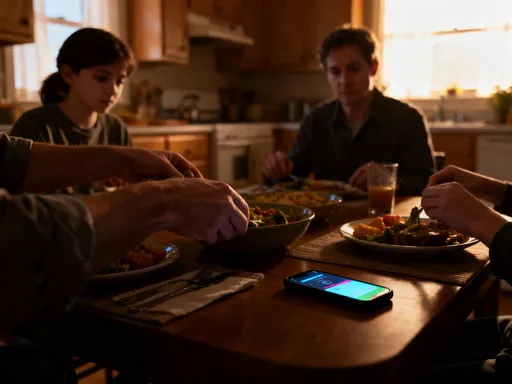
There was a time when our household felt like a collection of solo acts sharing a stage. Everyone had their own rhythm, their own schedule, and their own version of what dinner should be. I’d come home after a long day, only to find that the milk was gone—again—even though I was sure someone had picked it up. My teenager grabbed snacks after school without checking what we already had, and my partner, trying to be helpful, would swing by the store on the way home and buy another loaf of bread, not realizing we had two in the pantry. The fridge was a puzzle of half-used jars and expired condiments. The freezer? A mystery box of unlabeled containers.
It wasn’t just the clutter that bothered me—it was the constant mental load. I felt like I was always playing catch-up, always the one reminding others, always the one stressing over what we didn’t have. And honestly, it started to wear on our relationships. A simple question like “Did you get the eggs?” could spark tension. We weren’t arguing about the groceries, really—we were reacting to the feeling of being out of sync, of not being on the same team. We were living under one roof, but we weren’t living together in a way that felt connected or supportive.
One week, I counted three bottles of soy sauce in the cupboard. Three. No one could remember who bought which one. That moment hit me like a lightbulb. This wasn’t just disorganization—it was a system failure. We needed more than a better list. We needed a new way of doing things, one that didn’t rely on memory, good intentions, or last-minute heroics. We needed something that worked even when we were tired, busy, or distracted. And that’s when I started looking for a solution that wasn’t just about food, but about family.
Discovering Community Group Buying: A Tool That Felt Like a Family Upgrade
I first heard about group buying from my neighbor, Linda. She always seemed to have it together—her kids were fed, her house was calm, and she never looked frazzled, even on school mornings. One day, I asked her secret. “It’s not magic,” she said with a laugh. “It’s the group buy.” She explained how she and a few other families in the neighborhood used a simple online platform to place orders for groceries together. Every week, they’d share a list, add what they needed, and get everything delivered to a pickup point nearby. No more daily trips, no more forgotten items, no more overbuying.
I was skeptical at first. Wasn’t this just another app promising to fix life? But Linda’s calm confidence made me curious. I joined a small group she was part of—just five families at the time. The first week, I only ordered a few things: fresh spinach, brown rice, and laundry detergent. But when I picked up my box at the community center, I was surprised by how organized it felt. Everything was neatly packed, labeled, and ready. No parking drama, no long lines, no impulse buys. Just what I needed, when I needed it.
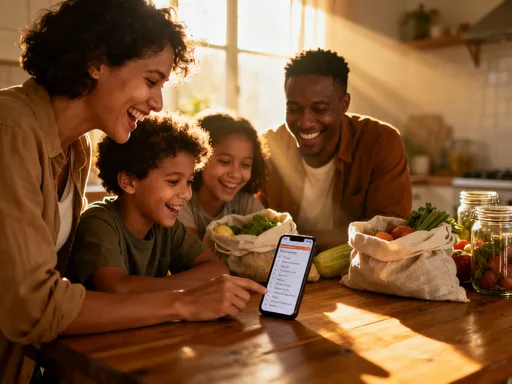
But the real surprise wasn’t the convenience—it was how it changed our family habits. Because the order deadline was Sunday night, we started using that time as a weekly ritual. We’d sit at the kitchen table with our phones out, going through the list together. “Do we need more pasta?” “Is the olive oil running low?” “What should we try for breakfast this week?” These small questions turned into real conversations. My daughter started suggesting new fruits she wanted to try. My husband noticed we were out of coffee and added it before I even had to ask. For the first time in years, we were making decisions as a team—not just reacting to emergencies.
How It Works: No Tech Skills Needed, Just a Phone and a Plan
One of the things I love most about community group buying is how simple it is. You don’t need to be tech-savvy. You don’t need to download five different apps or memorize complicated steps. Most platforms are designed to be user-friendly—think of them like a shared shopping list that lives online. A group organizer, often a volunteer parent or community member, sets up the order window, usually a few days before delivery. Vendors—often local farms, co-ops, or wholesale suppliers—provide the items at reduced rates because they’re selling in bulk.
Members get a link to the list, review what’s available, and add their items by the cutoff time. Some groups have curated selections—like seasonal produce bundles or pantry kits—while others let you choose freely from a wide catalog. Once the order closes, everything gets packed and delivered to a central location: a school, church, or neighborhood drop point. On pickup day, you grab your labeled box and go. That’s it. No haggling, no confusion, no second trips.
In our house, we made it part of our Sunday routine. After dinner, we’d clear the table and pull out our phones. “Group buy checklist time!” I’d announce, and at first, it felt a little forced. But within weeks, it became something we looked forward to. My daughter would bring her snack ideas. My husband would check the spice cabinet. I’d review what we used up during the week. We weren’t just filling a list—we were planning our week together. And because the deadline was firm, it taught us to be proactive, not reactive. No more 8 p.m. panic about what to cook tomorrow. No more last-minute store runs that turned into arguments. Just peace of mind.
Turning Tasks into Teamwork: How Shared Lists Built Better Communication
The real magic of group buying didn’t happen at pickup—it happened at the kitchen table on Sunday nights. That shared screen, that collaborative list, became a tiny but powerful space for connection. We weren’t just ticking boxes; we were listening to each other. When my daughter asked if we could try mangoes this week, it wasn’t just about fruit—it was her saying, “I want to try something new.” When my husband added oat milk, it was his way of paying attention to what we were running low on. These small acts of noticing and contributing added up.
Over time, I noticed a shift in how we talked. We started asking more questions: “What do you feel like eating this week?” “Is there anything you’re craving?” “Should we try that new recipe?” These weren’t just food conversations—they were moments of care. We were showing interest in each other’s lives, even in small ways. And because everyone had a voice in the process, no one felt left out. My daughter, who used to be quiet during family decisions, started speaking up. “Can we get those crackers I like?” “Maybe we should get extra apples for lunchboxes?” It felt good to see her engaged, to know she felt heard.
What started as a shopping tool became a communication habit. We began applying the same mindset to other parts of our lives. Instead of one person making all the plans, we started checking in: “What’s everyone doing this weekend?” “Who needs a ride?” “Should we schedule the dentist for Friday?” The group buy taught us that when we plan together, we live better. It wasn’t about control—it was about collaboration. And that made all the difference.
Practical Wins: Saving Time, Money, and Mental Energy
Of course, the benefits weren’t just emotional. The practical wins were real and measurable. We used to make 3–4 grocery trips a week—sometimes more if someone forgot something. Now, we go once, maybe twice, and only for fresh extras. That’s at least five hours saved every week. Five hours we can spend on dinner together, helping with homework, or just relaxing. That time is priceless.
Then there’s the money. Because we’re buying in bulk and cutting out impulse purchases, our grocery bill dropped by about 18–20%. That’s not a guess—that’s what I tracked over six months. We’re not sacrificing quality, either. In fact, we’re eating better. The group often includes fresh, locally sourced produce, organic options, and healthier staples we might not have grabbed in a regular store. We’re cooking more meals at home, wasting less food, and feeling better about what we’re feeding our family.
But the biggest win? The mental load. I don’t have to keep a running list in my head anymore. I don’t wake up wondering if we have enough toilet paper or if someone remembered the dog food. That constant background stress—the “what did I forget?” anxiety—is gone. I have more headspace for things that matter: my work, my relationships, my own well-being. And honestly, that’s been the most surprising gift. I didn’t realize how much energy I was spending on logistics until I got it back.
Extending the System: From Groceries to Family Planning and Beyond
Once we saw how well the group buy worked, we started asking: What else could we do this way? The answer was almost everything. We created a shared family calendar—color-coded, with appointments, school events, and even grocery pickup days. We set up a simple group chat for daily coordination: “I’ll pick up the kids,” “Can you grab the dry cleaning?” “Don’t forget the library books.” We even started tracking our monthly budget together, using a free app that lets us see where our money goes.
These tools aren’t fancy, but they work. And the mindset behind them—the idea that we’re a team—has changed how we move through life. We’re more intentional. We’re more present. We’re less likely to drop the ball because we know someone else is watching it too. When my daughter has a project due, she tells the group. When my husband has a late meeting, he messages us. We’re not just living under the same roof—we’re living in sync.
The group buy didn’t just fix our grocery problem. It gave us a template for better family life. It taught us that small systems, used consistently, create big results. You don’t need a major overhaul to feel more connected. You just need one good habit that brings you together, week after week.
More Than Convenience: How a Simple Tool Strengthened Our Family Bond
Looking back, I realize that what we were really missing wasn’t groceries—it was connection. We were so busy doing life that we forgot how to be together. The group buying system didn’t replace our relationships; it made space for them. By simplifying the logistics, it freed us to focus on what matters: listening, sharing, showing up.
Now, when we sit around the table on Sunday night, it’s not just about checking boxes. It’s a moment of togetherness. We laugh about the time we ordered too much cheese. We debate whether to try the new grain mix. We plan meals and make promises: “I’ll make tacos if we get the corn tortillas.” These are the moments that build a family—not grand gestures, but small, consistent acts of care.
Technology often gets blamed for pulling us apart—phones at the dinner table, screens in every room. But this experience showed me that tech, when used with intention, can actually bring us closer. It’s not about the app or the delivery system. It’s about what we do with the time and energy it gives back to us. We chose to use it to reconnect. And in doing so, we didn’t just improve our grocery shopping—we rebuilt our family rhythm, one shared order at a time.