Still saying 'I can't explain it over text'? This screen recorder finally made sharing simple
Remember that moment when you tried explaining a tricky task over the phone—endless back-and-forth, growing frustration, and still no understanding? I’ve been there. For years, I struggled to help family and colleagues visualize what I meant. Then I started using a simple screen recording tool—not as a tech fix, but as a lifeline for clearer communication, smoother workflows, and even stronger connections. What began as a last resort turned into one of the most meaningful changes in how I show up for others. It’s not magic. It’s not flashy. But it’s made me a better helper, a calmer teacher, and someone people actually *want* to learn from.
The Moment I Realized Words Weren’t Enough
It was a Sunday evening, and my younger sister called me in a panic. She needed to set up her online banking for the first time—something I’d done years ago without thinking twice. I could hear the stress in her voice. "I don’t know where to click," she said. "The website looks different from what you’re describing." I walked her through it step by step: "Click the login button… no, not that one, the blue one… wait, did you scroll down?" We went in circles. She kept missing small details—like the pop-up asking for two-factor authentication or the checkbox for saving her device. After 45 minutes, we were both exhausted. She was frustrated. I was impatient. And nothing was resolved.
Later that night, I thought about how many times this had happened—helping my mom renew her prescription online, guiding a coworker through a report format, even showing a friend how to use a new grocery delivery app. So much of modern life happens on screens, yet we’re still trying to explain it with words alone. It’s like giving someone driving directions over the phone while they’re sitting in the driver’s seat, blindfolded. We assume they see what we see. But they don’t.
Then I remembered a video someone had once sent me—just a quick screen recording showing exactly how to fill out a form. No talking. No back-and-forth. Just a cursor moving across the screen, clicking, typing, pausing. And in less than two minutes, I understood everything. That’s when it hit me: maybe I should stop trying to *describe* the screen and just *show* it instead.
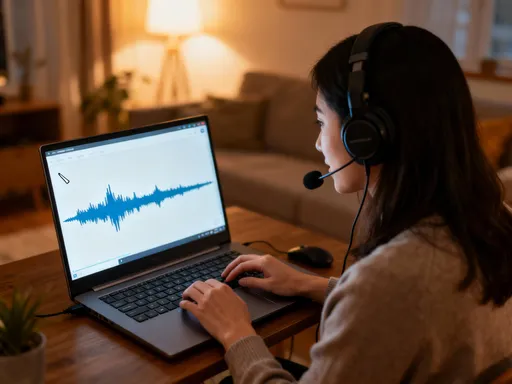
The next day, I recorded a 90-second video of myself setting up online banking. I used a tool I already had on my laptop—no download, no fuss. I turned on the microphone and talked as I clicked: "Okay, Sarah, here’s what you do. First, go to the bank’s homepage. See this blue button? That’s the one. Now, when this window pops up, make sure you check ‘Trust this device’…" I sent it to her with a simple message: "No need to call. Just watch this." Within ten minutes, she texted back: "Oh… that’s what you meant! Why didn’t you show me this the first time?" I laughed. But inside, I felt something shift. For the first time, I hadn’t just explained something—I had shared it. And she didn’t just understand. She felt supported.
Why I Stuck With It: From One-Off Tool to Daily Habit
That first video was such a win that I started looking for other ways to use it. At work, I was part of a remote team, and we were always sending long emails with bullet points like "See section 3.2" or "Refer to the updated template." Half the time, people missed the changes or asked the same questions in meetings. So I tried something different. Instead of writing a two-page email about a new project update, I recorded a three-minute video walking through the document, highlighting the edits, and explaining why we made them. I added my voice, kept it casual, and ended with, "Let me know if anything’s unclear."
The response? Almost immediate. Colleagues said they “finally got it.” One even replied, "This is so much easier than reading through everything." Another told me they watched it twice—once while following along, and once while making coffee. That’s when I realized: people don’t just want information. They want clarity. And they want to feel like someone’s walking them through it, not just dumping facts on them.
From there, it became a habit. If I had to explain something more than once, I asked myself: Could this be a video? When a client struggled to upload files to our shared drive, I sent a quick recording instead of typing out steps. When my dad needed help applying for a government benefit, I made a video showing exactly where to click, how to fill in each field, and what to do if the page froze. Each time, the feedback was the same: "I actually understood it this time." And I noticed something else—fewer follow-up messages, fewer mistakes, fewer repeat questions. My time was freer. Their stress was lower. And our conversations became more about connection, not confusion.
What started as a tool for tech help became part of how I communicate—period. It wasn’t about being fancy or high-tech. It was about being clear, kind, and efficient. I wasn’t just sharing information anymore. I was sharing understanding. And that made all the difference.
The Game-Changer: Making It Feel Like Me
At first, I used the screen recorder in the most basic way: just capturing my screen and talking. But over time, I started playing with the settings. I noticed that the default cursor highlight was a harsh red circle—functional, but a little cold. Then I found an option to change the color. On a whim, I switched it to soft yellow. Suddenly, the video felt warmer, friendlier. It was a tiny change. But it made a difference.
Then I started using my voice more intentionally. Early on, I’d record with the mic far from my mouth, or in a noisy room, so my audio sounded muffled. I learned to sit closer to the mic, speak clearly, and pause between steps. I stopped rushing. I started saying things like, "Let’s go slow here," or "This part can be tricky, so watch closely." My tone became calmer, more patient—more like how I’d want someone to teach me.
The real turning point came when I added a personal intro. I created a five-second clip that played at the start of every recording: just my name, a smile, and the words, "Hey, this is just for you." It wasn’t fancy. I used a simple template in the app. But suddenly, my videos didn’t feel like generic instructions. They felt like messages. Like gifts. One friend told me, "When I see your face pop up, I know it’s going to be something helpful—and something kind." That hit me right in the heart.
I started saving templates for common tasks: one for work feedback, one for family tech help, one for travel planning. I added a small logo in the corner—just my initials in a soft font. I even changed the cursor effect depending on the mood. When I was teaching something serious, I used a steady circle. When it was for a birthday or a fun project, I turned on a little star trail behind the cursor. Silly? Maybe. But it made the experience feel alive. It made it feel like me.
People began to recognize my style. A coworker said, "I can tell it’s one of your videos before you even speak." That’s when I realized: personalization wasn’t just about looks. It was about trust. When someone sees your face, hears your voice, and feels your care, they don’t just follow the steps. They feel seen. And that makes them more likely to listen, learn, and remember.
How Personalization Transformed My Workflows
Once I started treating screen recordings as personal tools—not just tech utilities—my productivity soared. I used to spend hours writing detailed emails, answering the same questions over and over, or scheduling calls for simple fixes. Now, I create short, reusable videos for frequent tasks. For example, whenever a new team member joins, I send them a personalized onboarding video: "Welcome! Here’s how we use our project tracker, where to find the templates, and who to ask for help." I record it once, save it, and share it with every new hire. They watch it on their own time. No meeting needed. No stress.
I also started building a library of video snippets. If I notice that three people have asked how to export a report, I make one clear video and save it in a shared folder. Now, instead of typing out instructions, I just say, "Let me send you the video I made for this." It saves me time. It gives them a better experience. And it means I’m not repeating myself.
For client work, I use branded templates. I set the intro to include my name, company, and a soft background color that matches my website. I keep the tone warm but professional: "Hi there, thanks for sending this over. Here’s what I suggest…" Clients tell me they appreciate how easy it is to follow. One said, "It feels like you’re sitting right here with me, walking me through it." That kind of feedback doesn’t just feel good—it builds loyalty. It shows that I care about their time and understanding.
I’ve also customized my keyboard shortcuts so I can start recording with one click. No fumbling through menus. I use a simple pop-up window to choose whether it’s a work video, family video, or personal note. This small system has made the whole process feel seamless. I’m not thinking about the tech. I’m thinking about the person on the other end. And that’s when the magic happens—when the tool disappears, and the connection takes over.
Beyond Work: Strengthening Family and Everyday Life
The biggest surprise? How much this helped outside of work. I have a nephew who’s great at math—but only when he can see the problem. When he was struggling with fractions, his mom asked if I could help. We tried a video call, but the screen sharing kept freezing. So I recorded a short lesson: me solving a problem step by step, talking through each part, pausing to explain. I sent it to him with a note: "Watch this when you’re ready. No rush." The next day, his mom texted: "He watched it three times and said, ‘Now I get it!’"
It wasn’t just about the math. It was about feeling supported. He knew his aunt took the time to make something just for him. That mattered.
I started using recordings for all kinds of everyday moments. When a friend was planning a trip to Europe, I made a video walking her through how to use a travel app, book trains, and save offline maps. When my sister wanted to organize a family photo album, I recorded a tutorial showing how to create shared folders and upload pictures. Even for birthdays, I’ve started sending short videos: me flipping through a digital album, pointing out favorite memories, saying, "Remember this day? You were so happy." It’s not a card. It’s not a text. It’s a moment. And it feels close, even when we’re far apart.
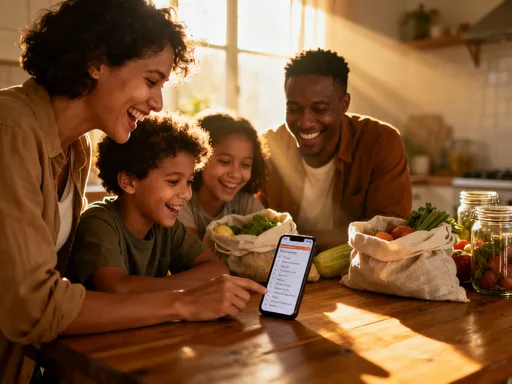
My mom, who’s not very tech-savvy, now asks for videos instead of phone calls. "Just send me a little movie," she says. And when I do, she watches it while sipping her tea, rewinding parts she missed, showing it to my dad. It’s on her terms. No pressure. No stress. Just learning, at her pace.
What I didn’t expect was how much I would gain from this. Recording these moments made me more thoughtful. I slowed down. I became more patient. I started asking, "How can I make this easier for them to understand?" That mindset has spilled into every part of my life—how I listen, how I teach, how I care.
Making It Work for You: Simple Ways to Start Personalizing
If you’re thinking, "This sounds great, but I’m not techy," I get it. I felt the same way. But here’s the truth: you don’t need fancy tools or skills. You just need a few minutes and a willingness to try. Let me share what’s worked for me—step by step, no pressure.
First, start small. Pick one thing you explain often—maybe how to log into a website, or how to print a document. Record yourself doing it, with your voice. Don’t worry about being perfect. If you mess up, just keep going. You can always trim the video later. The goal isn’t polish. It’s clarity.
Next, personalize one thing. Change the cursor color to something soft—like blue or yellow. Add a simple intro with your name. Use your built-in microphone; most laptops have decent audio. Speak slowly, like you’re talking to a friend. Say things like, "Hi, this is just for you," or "Let me show you how I do this." Those small touches make a big difference.
Then, save templates. If you help people with the same tasks, make a reusable video. Store it in a folder on your computer or cloud drive. Label it clearly: "How to Reset Password," "How to Use the Calendar," "How to Book a Flight." Over time, you’ll build your own library of helpful videos.
Use simple editing. Most screen recording apps let you trim the beginning and end, remove long pauses, or add a title. Keep it natural—don’t over-edit. People appreciate authenticity. A slight "um" or a chuckle doesn’t hurt. It makes you real.
Finally, be consistent. Try recording once a week. Maybe it’s a work tip, a family tutorial, or a fun message. The more you do it, the more natural it feels. And the more people will come to expect—and appreciate—your personal touch.
As for tools, I’ve used several. Loom is great for beginners—simple, free, and works in your browser. If you want more control, OBS is powerful (and free), though it takes a little setup. And don’t overlook your built-in tools: Macs have QuickTime, Windows has Game Bar, and many phones have screen recording in the control panel. Add a voice memo, and you’re already halfway there.
Why This Isn’t Just About Technology—It’s About Connection
Looking back, I realize this wasn’t really about screen recording. It was about finding a better way to care. In a world full of quick texts, rushed emails, and impersonal bots, a short video with your voice, your face, your style—it stands out. It says, "I took the time. I thought of you. This was made with you in mind."
I’ve become a calmer teacher, a clearer communicator, and a more patient helper. I don’t dread tech questions anymore. I see them as opportunities—to connect, to support, to make someone’s day a little easier. And the people I help don’t just get answers. They feel seen. They feel valued.
That Sunday evening with my sister feels like a lifetime ago. Now, when she has a question, she says, "Just send me a video." And when I do, she watches it, smiles, and texts back, "Got it. Thanks, you’re the best." It’s a small moment. But it’s full of meaning.
Technology doesn’t have to be cold. It doesn’t have to be complicated. At its best, it helps us be more human—not less. A simple screen recording can carry warmth, patience, and care across miles. It can turn confusion into clarity, frustration into relief, and distance into closeness.
So if you’ve ever said, "I can’t explain this over text," I get it. But you don’t have to. You can show it. You can share it. You can make it personal. And in doing so, you might just find that the most powerful tech isn’t the one with the most features—it’s the one that helps you be more fully, beautifully, authentically you.