I kept stepping on trash again and again: How a smart bin taught me to breathe easier at home
Ever had that moment when you’re barefoot in the kitchen, reach for the bin—and splat—step right on a crumpled snack bag? I did. Nearly every day. It wasn’t just messy—it felt like my home was working against me. But one small change flipped everything: a smart trash can. Not because it’s high-tech, but because it quietly reshaped my habits, my space, and even my mood. Let me tell you how something as simple as a trash bin became a surprising teacher in patience, order, and peace. It didn’t just hold garbage—it held up a mirror to how I was living, and gently invited me to do better, feel lighter, and move through my days with a little more grace.
The Messy Wake-Up Call: When Trash Started Winning
It sounds silly to say that trash changed my life, but here’s the truth: for months, I felt like I was losing a quiet war with my own kitchen. Every morning started the same—coffee in hand, sleepy-eyed, stepping carefully around yesterday’s chaos. A banana peel near the counter. A sticky juice box cap under the table. And always, always, that crumpled chip bag underfoot. I’d curse, wipe my foot on the rug, and think, Why can’t I keep up? I wasn’t lazy. I cleaned every night. But no matter how hard I tried, the mess came back faster than I could contain it.
The worst part wasn’t the mess itself—it was how it made me feel. I’d snap at my kids for leaving crayons on the couch. I’d avoid having friends over because the kitchen never looked ‘photo-ready.’ And I started to believe I wasn’t good enough at this whole ‘keeping a home’ thing. One evening, after stepping on a half-eaten graham cracker for the third time that week, I sat on the floor and just cried. Not because of the cracker, but because it felt like my home—the place that should feel like sanctuary—was betraying me. That’s when I realized: this wasn’t about cleaning more. It was about changing the system.
I started asking myself honest questions. Why was the bin so hard to use? Why did it overflow every two days? Why did I dread emptying it? The answers were simple: the lid was stiff, the pedal stuck, and the bag always tore when I tried to pull it out. Every interaction with the trash can was a tiny frustration, repeated ten times a day. And those little frustrations? They piled up just like the garbage. I didn’t need more willpower—I needed a better tool. That’s when I decided to try a smart trash can. Not because I wanted to live in a futuristic house, but because I wanted to live in a house that didn’t make me sigh every time I tossed a napkin.
First Impressions: Skepticism Meets Surprise
I’ll admit it: I was skeptical. When the box arrived, I stared at it like it might ask me to code a robot. I’ve never been the ‘tech early adopter’ type. My phone still has the original ringtone. The idea of a ‘smart’ trash can sounded like marketing fluff—something expensive that would break in six months. But setup took less than ten minutes. Unbox, plug in, slide in a bag, and done. No app required, no confusing buttons. Just a sleek can that sat quietly in the corner, waiting.
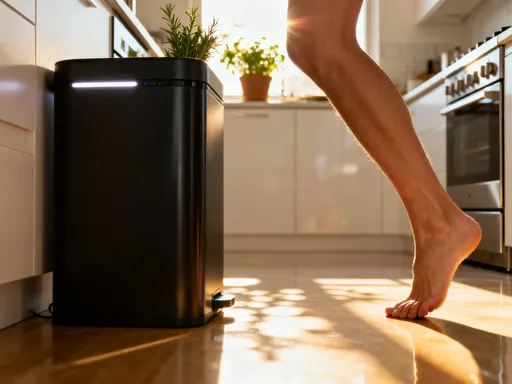
The first time I walked toward it with a coffee stirrer in hand, I slowed down, expecting nothing. Then—*whoosh*—the lid opened smoothly, silently, like it knew I was coming. I dropped the trash in, and the lid closed behind it with a soft, satisfying click. And honestly? I laughed. It felt like magic. No more kicking the pedal with my foot while balancing a full plate. No more holding a dripping yogurt cup while wrestling with a stuck lid. This tiny moment of ease—so small, so simple—felt like a gift.
What surprised me most was how quickly it changed my mood around chores. I started walking into the kitchen feeling lighter, not bracing for the usual hassle. I caught myself saying out loud, ‘Thank you, bin,’ which my daughter thought was hilarious. But it wasn’t silly—it was real. That small act of being met with ease, instead of resistance, shifted something inside me. It reminded me that I deserve tools that help me, not fight me. And if a trash can could do that, what else in my home could be upgraded to make life just… smoother?
More Than a Bin: How Automation Teaches Mindfulness
Here’s something I never expected: a hands-free trash can made me more present, not less. I used to think automation meant zoning out—letting tech do the work while I checked out. But the opposite happened. Every time the bin opened effortlessly, I became more aware of what I was throwing away. Was it another plastic wrapper? A half-eaten apple? A sticky note with a forgotten to-do? The ease of disposal didn’t make me careless—it made me curious.
I started noticing patterns. Tuesday afternoons were snack wrapper central. Friday nights meant takeout containers piling up. And every weekend, without fail, there were at least three empty cereal boxes. This wasn’t just about trash—it was a window into our family’s rhythms. I began asking myself: Are we eating too much processed food? Could we prep more snacks ahead of time? Could we switch to reusable containers for lunches? The bin didn’t judge me. It didn’t shame me. It just showed me the truth, quietly, day after day.
And in that quiet observation, mindfulness grew. I found myself pausing before tossing something, thinking, Can this be recycled? Could I compost this? Did I really need to buy this in a single-use package? Technology, in this case, didn’t replace thought—it created space for it. Because I wasn’t fighting with the lid or avoiding the bin, I could actually pay attention. It’s like the difference between running on a muddy path and walking on a clear one. One exhausts you. The other lets you look around and breathe. That’s what this bin gave me—a clearer path through the daily grind, and the mental room to make better choices.
A Cleaner Home, A Calmer Mind: The Ripple Effect
It’s amazing how one small improvement can ripple through an entire home. Once the kitchen trash stopped being a daily battle, I had more energy—real, measurable energy—to tackle other areas. I organized the pantry. I labeled the kids’ art supplies. I even started folding laundry right after it came out of the dryer, instead of letting it sit in the basket for days. It wasn’t that I suddenly had more time. It was that I had less mental resistance.
The most surprising change was how much better the whole house smelled. Without lids left open or bags spilling, the kitchen stayed fresh. No more chasing that mysterious sour smell that always seemed to come from under the sink. And because the bin sealed tightly, fruit flies vanished almost overnight. My daughter stopped complaining about ‘stinky kitchen,’ and my husband actually commented, ‘Did you clean something? It smells really nice in here.’
But the biggest shift was internal. I noticed my shoulders weren’t permanently tense. I wasn’t walking through the house on high alert, scanning for messes. I could sit at the table and actually enjoy my coffee, instead of mentally cataloging what needed to be cleaned. One afternoon, a friend dropped by unannounced. In the past, I would’ve panicked. But this time, I just smiled and said, ‘Come on in!’ The kitchen wasn’t perfect—but it was peaceful. And for the first time in years, I felt proud of my home, not ashamed of it. That sense of calm? It didn’t come from deep cleaning. It came from removing friction—one small, smart choice at a time.
Teaching My Kids Responsibility—Without Nagging
If you’re a parent, you know the drill: ‘Take your plate to the sink.’ ‘Throw away your napkin.’ ‘Why is there a juice box on the stairs?’ I was tired of repeating myself. I wasn’t mean about it—I just wanted my kids to learn responsibility. But every request felt like a battle. They’d say the bin was ‘gross’ or ‘hard to open’ or ‘I didn’t want to touch it.’ And honestly? I couldn’t blame them. The old pedal bin was sticky, loud, and unpredictable. Even I didn’t love using it.
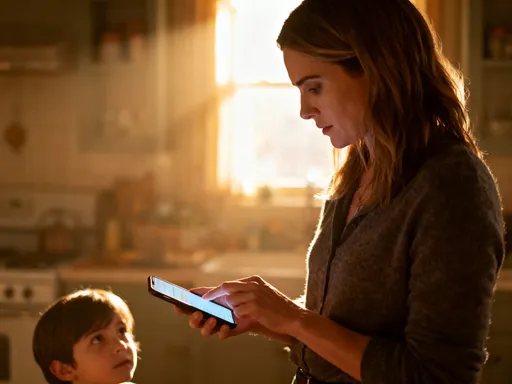
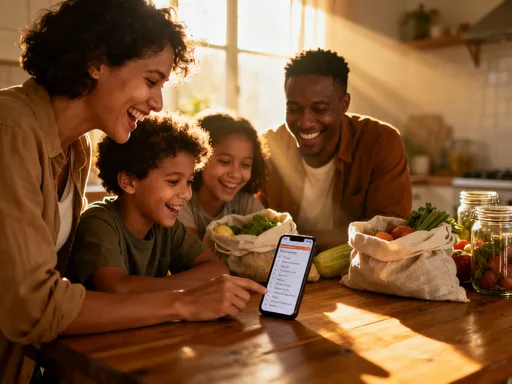
The smart bin changed that. The first time my son saw it open on its own, he yelled, ‘Whoa! It’s alive!’ From that moment, it became a game. He’d walk past just to see if it would open. He started clearing his own plate without being asked. ‘Look, Mom! The robot bin took my trash!’ Even my daughter, who used to hide banana peels under her bed (don’t ask), started using it regularly. The fun factor made all the difference. Responsibility didn’t feel like a chore—it felt like a cool interaction.
But here’s what mattered most: the habit stuck. Over time, the novelty wore off, but the behavior remained. They didn’t need me to remind them. They just… did it. And because the bin made it easy and pleasant, they didn’t resist. I realized that parenting isn’t always about teaching through words. Sometimes, it’s about designing an environment where the right choice is also the easiest one. The smart bin didn’t replace my role as a parent—it supported it. It gave my kids a tool to succeed, and that built real confidence and independence. Now, when I see them toss something in without a second thought, I don’t just see a clean kitchen. I see growth.
Upgrading My Relationship with Waste
One feature I didn’t expect to love was the fill-level indicator. A little light on the front shows when the bin is getting full—green, yellow, red. Simple, right? But it changed how I thought about waste. I started noticing how fast we filled it. By Wednesday, we were already at yellow. By Friday? Red, every time. That visual cue made me ask: What are we throwing away so much of?
I began tracking it mentally. Takeout containers. Snack wrappers. Coffee pods. Single-use wipes. The more I paid attention, the more I wanted to reduce it. I switched to a coffee maker with reusable filters. I started packing snacks in cloth bags. I set up a compost bin for food scraps. And I got serious about recycling—rinsing containers, flattening boxes, sorting properly. The smart bin didn’t do these things for me, but it made me aware enough to start.
Now, we fill the trash can maybe once a week instead of every three days. That’s fewer trips to the curb. Fewer bags used. Less strain on the planet. But more than that, I feel more in control. I’m not just dumping waste and forgetting it. I’m making choices—intentional ones—about what comes into our home and what leaves it. The bin became a mirror for my values. It showed me where I could do better, and it gave me the motivation to try. And honestly? That feels like real progress.
Small Tech, Big Growth: What a Trash Can Really Taught Me
When I first bought the smart trash can, I thought it was just about convenience. I wanted to stop stepping on garbage. And yes, that problem is solved. But what I didn’t expect was how much it would teach me about myself. It taught me that small changes can have big emotional impacts. That ease isn’t laziness—it’s self-respect. That creating a home that supports you isn’t about perfection, but about removing the little things that wear you down.
I’ve learned to be more patient—with my home, with my kids, with myself. When the bin opens smoothly, it feels like the house is meeting me halfway. And that small gesture of care? It reminds me to care for myself in the same way. I’m more mindful of what I bring in, more intentional about how I move through my space, and more at peace with the messiness of life—because now, even the messy parts feel manageable.
This isn’t just a story about a trash can. It’s about choosing tools that align with the life you want to live. It’s about recognizing that technology, when used wisely, can free up not just your hands, but your mind and heart. It’s about building a home that doesn’t drain you, but restores you. And if a simple trash can can help with that, imagine what else is possible when we start paying attention to the small things that shape our days. Maybe the key to a calmer, kinder, more joyful life isn’t a grand transformation—but a series of small, smart choices, one gentle whoosh at a time.